
Master the art of expressing gratitude in Diné bizaad with this comprehensive guide to saying “thank you” in Navajo, including pronunciation, cultural context, and traditional usage.
The Sacred Art of Gratitude in Navajo Culture
In the rich tapestry of Navajo (Diné) culture, expressing gratitude extends far beyond simple politeness—it represents a fundamental way of maintaining harmony, respect, and balance within the community.
When you learn how to say thank you in Navajo language, you’re not just acquiring vocabulary; you’re embracing a worldview that values reciprocity, respect for others, and acknowledgment of the interconnectedness of all things.
The primary Navajo expression for “thank you”—ahéheeʼ—carries deep cultural significance rooted in centuries of tradition.
This simple yet powerful word embodies the Diné philosophy of hózhó (harmony and beauty) and reflects the importance of recognizing the kindness and generosity of others within the framework of k’é (kinship and relationships).
Understanding and properly using gratitude expressions in Navajo opens doorways to meaningful cultural exchange and demonstrates respect for the Diné people and their enduring traditions.
This comprehensive guide will explore every aspect of saying “thank you” in Navajo, from basic pronunciation to complex ceremonial usage, ensuring you can express genuine appreciation in culturally appropriate ways.
Core Vocabulary: Essential “Thank You” Expressions in Navajo
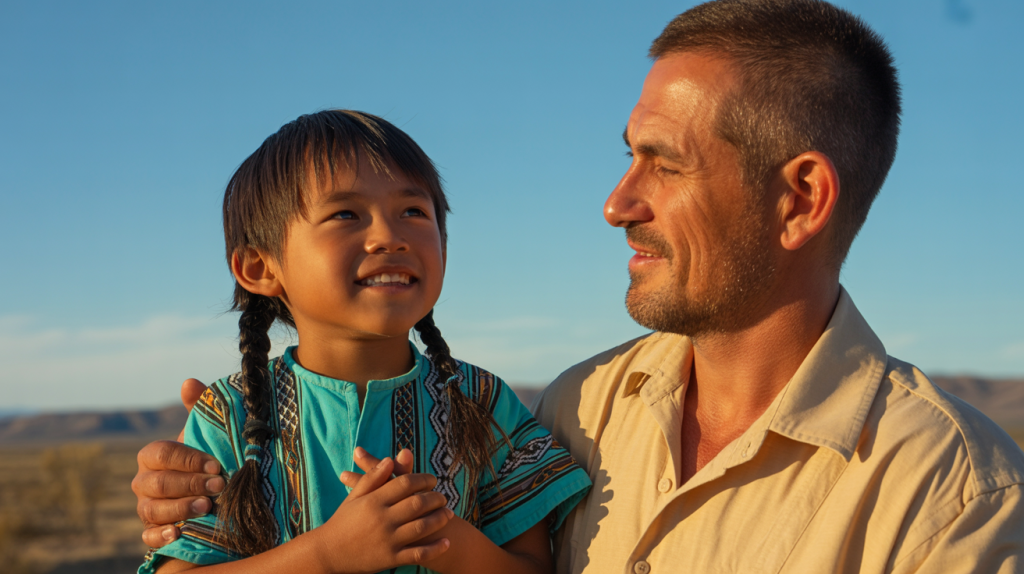
Primary Gratitude Expression
The foundation of expressing thanks in Navajo rests on one essential phrase that every learner should master:
ahéheeʼ [à.héː.hèːʔ]
- Meaning: Thank you
- Usage: Universal expression of gratitude
- Cultural significance: Suitable for all contexts from casual to formal
- Pronunciation: “ah-HEH-heh” with a glottal stop at the end
Intensified Gratitude Expressions
For situations requiring deeper or more emphatic gratitude, Navajo offers several enhanced expressions:
| English | Navajo | Literal Translation | Usage Context |
|---|---|---|---|
| Thank you very much | tʼáá íiyisíí ahéheeʼ | Very much thank you | Formal occasions, deep gratitude |
| Sincere thanks | ahéheeʼ nitsaago | Thank you truly/really | Heartfelt appreciation |
| I am grateful | báh áhééh nisin | About it grateful I am | Spiritual/ceremonial contexts |
| From my heart, thank you | shijéí bitłʼáádę́ę́ʼ tsʼídí yéigo ahéheeʼ | From my heart truly thank you | Intimate, deeply personal thanks |
Contextual Gratitude Variations
Navajo gratitude expressions can be modified to reflect specific relationships and situations:
Family-Oriented Thanks:
- ahéheeʼ shimá – Thank you, mother
- ahéheeʼ shizhéʼé – Thank you, father
- ahéheeʼ shimásání – Thank you, grandmother
- ahéheeʼ shicheii – Thank you, grandfather
Community-Oriented Thanks:
- ahéheeʼ shikéí – Thank you, my friend
- ahéheeʼ shidineʼé – Thank you, everyone/my people
- ahéheeʼ shikéí dóó shidineʼé – Thank you, my friends and my people
Formal/Ceremonial Thanks:
- tʼáá íiyisíí ahéheeʼ nitsaago – Many sincere thanks (speeches, ceremonies)
- báh áhééh nisin doo bíjį́ – I am truly grateful (emphatic spiritual gratitude)
Pronunciation Mastery: Speaking Gratitude Correctly
Detailed Phonetic Breakdown
ahéheeʼ [à.héː.hèːʔ]
Syllable-by-syllable breakdown:
- a [à] – Low tone, like “ah” in “father” but shorter
- hé [héː] – High tone, extended “eh” sound with strong aspiration
- hee [hèːʔ] – High tone transitioning to low, ending with glottal stop
Tonal Patterns in Navajo Gratitude
Navajo is a tonal language where pitch changes affect meaning. The gratitude expressions contain specific tonal patterns that must be mastered:
High Tone Markers:
- Indicated by acute accents (´)
- Require higher pitch than surrounding syllables
- Critical for proper meaning conveyance
Low Tone Markers:
- Indicated by grave accents (`)
- Require lower pitch
- Often occur at phrase boundaries
Glottal Stops:
- Marked by apostrophe (ʼ)
- Complete closure of the glottis
- Essential for distinguishing words
Common Pronunciation Challenges
For English Speakers:
- Aspiration: The “h” sounds in Navajo are much stronger than in English
- Vowel Length: Navajo distinguishes between short and long vowels
- Tonal Accuracy: Pitch changes are meaning-bearing
- Glottal Stops: Complete vocal cord closure is required
Practice Techniques:
- Listen to native speaker recordings repeatedly
- Practice with a mirror to observe mouth position
- Record yourself and compare to native speakers
- Work with fluent speakers for feedback
Regional Pronunciation Variations
Western Navajo:
- Slightly different vowel qualities
- Some tonal pattern variations
- May have subtle rhythm differences
Eastern Navajo:
- More conservative pronunciation
- Clearer distinction of long vowels
- Traditional tonal patterns preserved
Central Navajo:
- Often considered standard pronunciation
- Used in educational materials
- Represents traditional patterns
Cultural Context: The Deep Meaning of Navajo Gratitude
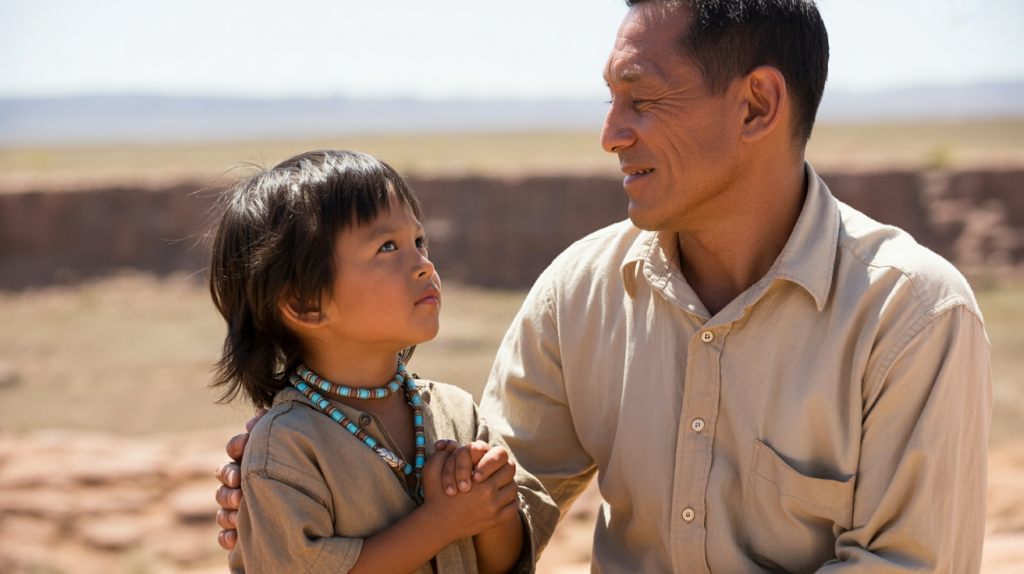
The Philosophy of Reciprocity
In Navajo culture, expressing gratitude through ahéheeʼ represents much more than acknowledgment—it reflects the fundamental principle of reciprocity that governs social relationships. This concept, deeply embedded in traditional Diné thinking, suggests that:
Gratitude Creates Balance:
- Acknowledges gifts received
- Establishes social obligations
- Maintains harmony in relationships
- Honors the giver’s generosity
Gratitude Strengthens K’é:
- Reinforces kinship bonds
- Demonstrates respect for others
- Maintains community cohesion
- Supports extended family networks
Spiritual Dimensions of Thankfulness
Navajo gratitude expressions often carry spiritual significance, connecting the speaker to:
Natural World Relationships:
- Thanks to Mother Earth
- Appreciation for natural gifts
- Recognition of cosmic balance
- Harmony with seasonal cycles
Ancestral Connections:
- Honoring elder wisdom
- Acknowledging inherited gifts
- Maintaining traditional values
- Preserving cultural knowledge
Ceremonial Contexts:
- Blessing ceremonies
- Healing rituals
- Seasonal celebrations
- Life transition events
Traditional Teaching About Gratitude
Navajo children learn gratitude expressions as part of broader cultural education:
Early Childhood:
- Modeling grateful behavior
- Daily practice with family
- Stories emphasizing thankfulness
- Integration with daily activities
Adolescent Development:
- Understanding deeper meanings
- Ceremonial participation
- Community responsibility
- Cultural knowledge expansion
Adult Responsibilities:
- Teaching younger generations
- Maintaining traditions
- Community leadership
- Cultural preservation
Comprehensive Usage Guide: When and How to Say Thank You
Daily Conversation Contexts
Morning Interactions:
- yáʼátʼééh dóó ahéheeʼ – Good morning and thank you
- Used when receiving morning coffee, breakfast, or daily assistance
Meal-Related Thanks:
- ahéheeʼ (after receiving food)
- tʼáá íiyisíí ahéheeʼ (after special meals)
- báh áhééh nisin (for hunting/gathering success)
Evening Gratitude:
- ahéheeʼ (for daily help received)
- hágoóneeʼ dóó ahéheeʼ – Goodbye and thank you
Formal and Ceremonial Usage
Public Speaking:
- ahéheeʼ shidineʼé – Thank you, everyone
- tʼáá íiyisíí ahéheeʼ nitsaago – Many sincere thanks
- ahéheeʼ shikéí dóó shidineʼé – Thank you, my friends and my people
Ceremonial Contexts:
- báh áhééh nisin – I am grateful (spiritual contexts)
- shijéí bitłʼáádę́ę́ʼ tsʼídí yéigo ahéheeʼ – Thank you from my heart
- báh áhééh nisin doo bíjį́ – I am truly grateful (emphatic)
Educational Settings:
- ahéheeʼ (to teachers)
- ahéheeʼ nitsaago (for significant learning)
- tʼáá íiyisíí ahéheeʼ (graduation, completion)
Business and Professional Contexts
Modern Workplace:
- ahéheeʼ (standard professional thanks)
- ahéheeʼ nitsaago (for significant assistance)
- tʼáá íiyisíí ahéheeʼ (for major favors or promotions)
Healthcare Settings:
- ahéheeʼ (to medical providers)
- báh áhééh nisin (for healing assistance)
- shijéí bitłʼáádę́ę́ʼ tsʼídí yéigo ahéheeʼ (for life-saving care)
Educational Institutions:
- ahéheeʼ (to instructors)
- ahéheeʼ nitsaago (for mentorship)
- tʼáá íiyisíí ahéheeʼ (for academic achievements)
Holiday and Special Occasion Gratitude
Traditional Navajo Celebrations
Seasonal Ceremonies:
- nizhónígo ahéheeʼ – Beautiful thanks (for seasonal abundance)
- báh áhééh nisin – I am grateful (for natural cycles)
- tʼáá íiyisíí ahéheeʼ nitsaago – Many sincere thanks (harvest festivals)
Life Cycle Events:
- baa hózhǫ́ǫgo niʼdizhchį́ dóó ahéheeʼ – Happy birthday and thank you
- ahéheeʼ shijéí bitłʼáádę́ę́ʼ – Thank you from my heart (weddings)
- báh áhééh nisin doo bíjį́ – I am truly grateful (naming ceremonies)
Contemporary Holiday Integration
Christmas Expressions:
- nizhónígo késhmish daʼdoohłeeł dóó ahéheeʼ – Beautiful Christmas greetings and thank you
- késhmish bee ahéheeʼ – Christmas thanks
New Year Gratitude:
- nizhónígo nináánááhai dooleeł dóó ahéheeʼ – Happy New Year and thank you
- ahéheeʼ shijį́ naałchiid – Thank you for this new beginning
Easter Expressions:
- nizhónígo damóotsoh dóó ahéheeʼ – Happy Easter and thank you
- ahéheeʼ bee ałniih – Thank you for renewal
Academic and Achievement Celebrations
Graduation Thanks:
- tʼáá íiyisíí ahéheeʼ nitsaago – Many sincere thanks
- ahéheeʼ shikéí dóó shidineʼé – Thank you, my friends and my people
- báh áhééh nisin nihee hooghandi – I am grateful in our home
Sports and Competition:
- ahéheeʼ nitsaago – Sincere thanks (to teammates)
- tʼáá íiyisíí ahéheeʼ – Thank you very much (to coaches)
- báh áhééh nisin – I am grateful (for opportunities)
Sample Dialogues and Practical Conversations
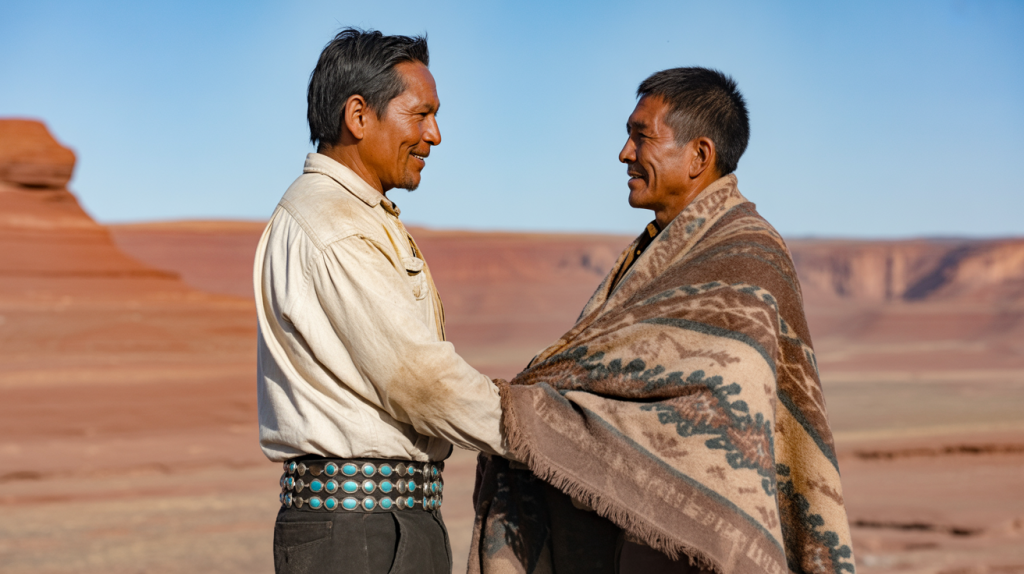
Family Conversation Examples
Morning Family Interaction: Mother: Yáʼátʼééh shiyáázh. Ch’iyáán łah bá alyaa. (Good morning, my child. I made breakfast for you.)
Child: Yáʼátʼééh shimá. Ahéheeʼ nitsaago. (Good morning, mother. Thank you very much.)
Mother: Doodaʼeeʼ. Hózhǫ́ǫgo ánáhoolʼaah. (You’re welcome. Study well.)
Evening Family Gratitude: Grandchild: Shimásání, ahéheeʼ nane’ sha bee hóló. (Grandmother, thank you for telling me stories.)
Grandmother: Doodaʼeeʼ bitsóóké. Báh áhééh nisin. (You’re welcome, grandchild. I am grateful.)
Grandchild: Shijéí bitłʼáádę́ę́ʼ tsʼídí yéigo ahéheeʼ. (Thank you from my heart.)
Community Gathering Dialogues
Public Speaking Context: Speaker: Yáʼátʼééh shidineʼé. Ahéheeʼ díkwíí shá nahagháa. (Hello, my people. Thank you for gathering here for me.)
Audience member: Ahéheeʼ nitsaago bee ał nizhonísí. (Thank you very much for the beautiful words.)
Speaker: Tʼáá íiyisíí ahéheeʼ nihá ákót’éego. (Thank you very much for being this way for us.)
Community Event: Elder: Ahéheeʼ shikéí dóó shidineʼé. Nizhónígo atah naakai. (Thank you, my friends and my people. You have gathered beautifully.)
Community member: Báh áhééh nisin nihá bee hazhóʼó. (I am grateful for what you have done for us.)
Elder: Hózhǫ́ dooleeł nihí. Ahéheeʼ kʼéelchí. (May there be blessing with us. Thank you, relatives.)
Educational Setting Dialogues
Classroom Interaction: Teacher: Díí naałtsoos nihá bee hané’. (This book will tell us stories.)
Student: Ahéheeʼ ba’ółta’í. Díí shá ayóó bee áshá. (Thank you, teacher. I love this very much.)
Teacher: Doodaʼeeʼ. Ałhosh ańdólnih. (You’re welcome. Study hard.)
Cultural Education: Elder: Díí hane’ nihimá báshishchíín yee nahodleehgo. (This story is from when our mothers’ clans were formed.)
Youth: Ahéheeʼ nitsaago. Báh áhééh nisin díí bee ałahjį’ hóóyą́ą́’. (Thank you very much. I am grateful that you made this come to be for us.)
Elder: Tʼáá íiyisíí ahéheeʼ bee åts’ąą̨ądi. (Thank you very much for listening carefully.)
Regional Variations and Dialectal Differences
Geographic Distribution of Gratitude Expressions
Western Navajo Variations:
- Pronunciation tends toward longer vowels
- May use amá sání ahéheeʼ (thank you, grandmother) more frequently
- Some influence from neighboring languages
- Slightly different rhythm patterns
Eastern Navajo Traditions:
- More conservative pronunciation
- Traditional expressions preserved
- Emphasis on formal gratitude forms
- Strong ceremonial usage patterns
Central Navajo Standards:
- Often considered normative pronunciation
- Used in educational materials
- Balanced formal and informal usage
- Bridge between regional variations
Checkerboard Area Adaptations:
- More English code-switching
- Simplified expressions for mixed audiences
- Modern context adaptations
- Maintained core cultural meanings
Generational Usage Patterns
Elder Speakers:
- Traditional pronunciation preserved
- Formal expressions favored
- Ceremonial contexts emphasized
- Cultural education prioritized
Middle Generation:
- Bridge between traditional and modern
- Code-switching with English
- Professional context adaptations
- Family transmission emphasis
Youth Speakers:
- Modern pronunciation patterns
- Informal expression preferences
- Technology-influenced usage
- Cultural revival participation
Clan and Family Variations
Traditional Families:
- Maintained ceremonial expressions
- Formal gratitude protocols
- Extended expression knowledge
- Cultural context preservation
Urban Families:
- Simplified expression sets
- Modern context applications
- Mixed language environments
- Cultural connection maintenance
Relearning Families:
- Standard expression focus
- Educational resource dependence
- Cultural consultant guidance
- Community support utilization
Advanced Gratitude Expressions and Complex Usage
Ceremonial and Spiritual Gratitude
Traditional Blessing Language:
- báh áhééh nisin diyinii – I am grateful to the Holy Ones
- nahasdzáán shimá báh áhééh nisin – I am grateful to Mother Earth
- yádiłhił ba báh áhééh nisin – I am grateful to Father Sky
Healing Ceremony Thanks:
- ahéheeʼ hatathłii – Thank you, medicine person
- báh áhééh nisin bee nádleehi – I am grateful for the healing
- shijéí bitłʼáádę́ę́ʼ ahéheeʼ – Thank you from my heart
Seasonal Ceremony Gratitude:
- ahéheeʼ shideyin díné’é – Thank you, my holy people
- nizhónígo ahéheeʼ ch’iyáán – Beautiful thanks for food
- báh áhééh nisin tó – I am grateful for water
Professional and Formal Contexts
Government and Tribal Settings:
- ahéheeʼ naabahii – Thank you, leader
- tʼáá íiyisíí ahéheeʼ nihá bee ałniih – Thank you very much for helping us
- báh áhééh nisin díné bi bee ałtah – I am grateful for working with people
Healthcare Professional Thanks:
- ahéheeʼ azee’ałii – Thank you, doctor
- báh áhééh nisin bee nádleehi – I am grateful for the healing
- shijéí bitłʼáádę́ę́ʼ ahéheeʼ – Thank you from my heart
Educational Professional Gratitude:
- ahéheeʼ ba’ółta’í – Thank you, teacher
- tʼáá íiyisíí ahéheeʼ bee hóółaáł – Thank you very much for education
- báh áhééh nisin bee ółta’ – I am grateful for learning
Complex Relationship Gratitude
Extended Family Thanks:
- ahéheeʼ shikéí łaanáá – Thank you, many friends
- báh áhééh nisin k’éí – I am grateful for relatives
- tʼáá íiyisíí ahéheeʼ nihá ąąs – Thank you very much for being with us
Community Leadership Gratitude:
- ahéheeʼ hataałii – Thank you, singer/ceremonial leader
- báh áhééh nisin nihá bee ákót’é – I am grateful for how you are for us
- shijéí bitłʼáádę́ę́ʼ ahéheeʼ bee hózház – Thank you from my heart for guidance
Learning Strategies and Common Mistakes
Effective Learning Approaches
Immersion Techniques:
- Daily practice with family members
- Community event participation
- Cultural activity involvement
- Traditional story listening
Structured Learning:
- Formal language classes
- Audio pronunciation guides
- Peer practice groups
- Elder mentorship programs
Technology-Enhanced Learning:
- Mobile app practice
- Online pronunciation tools
- Video chat with speakers
- Social media language groups
Common Pronunciation Errors
Frequent Mistakes:
- Missing glottal stops – Critical for meaning
- Incorrect tonal patterns – Changes word meaning
- Wrong vowel length – Affects understanding
- Weak aspiration – Sounds unnatural
Correction Strategies:
- Record and compare with natives
- Practice with feedback partners
- Use phonetic transcription guides
- Focus on individual sound elements
Cultural Usage Mistakes
Inappropriate Contexts:
- Using casual forms in ceremonies
- Omitting relationship markers
- Ignoring spiritual dimensions
- Misunderstanding reciprocity
Appropriate Corrections:
- Learn context-specific expressions
- Understand relationship dynamics
- Respect ceremonial protocols
- Practice cultural sensitivity
Grammar Integration Challenges
Complex Sentence Structure:
- Navajo word order differences
- Verb conjugation complexity
- Pronoun integration patterns
- Cultural concept expression
Progressive Learning:
- Start with simple expressions
- Add complexity gradually
- Practice in natural contexts
- Seek feedback regularly
Modern Usage and Contemporary Applications
Digital Age Adaptations
Social Media Usage:
- #ahéheeʼ hashtag trends
- Cultural education posts
- Family gratitude sharing
- Community event documentation
Text Messaging:
- Simplified expressions
- Emoji combinations
- Voice message recordings
- Cultural emoji development
Video Calling:
- Long-distance family connections
- Cultural education sessions
- Community meeting participation
- Elder teaching preservation
Professional Integration
Workplace Applications:
- Corporate cultural awareness
- Tribal business contexts
- Healthcare sensitivity training
- Educational inclusivity programs
Tourism and Hospitality:
- Visitor cultural education
- Respectful interaction training
- Cultural tour guide preparation
- Hotel and restaurant staff development
Media and Entertainment:
- Film and television representation
- Music industry integration
- Publishing and literature
- Documentary production
Educational Innovation
Curriculum Development:
- K-12 Navajo language programs
- University course integration
- Adult education offerings
- Community college programs
Teaching Materials:
- Interactive learning apps
- Multimedia pronunciation guides
- Cultural context videos
- Assessment tools development
Research Applications:
- Linguistic documentation projects
- Cultural preservation initiatives
- Academic research studies
- Community-based research
Historical Context and Language Preservation
Historical Challenges to Gratitude Expression
Boarding School Era Impact:
- Suppression of native expressions
- Forced English-only policies
- Cultural practice prohibition
- Family connection disruption
Modernization Pressures:
- English language dominance
- Urban migration patterns
- Technology influence
- Generational gaps
Contemporary Challenges:
- Limited speaker communities
- Formal education gaps
- Media representation absence
- Cultural context loss
Preservation and Revitalization Efforts
Community Initiatives:
- Elder recording projects
- Youth education programs
- Cultural camp activities
- Family heritage documentation
Institutional Support:
- Diné College programs
- Navajo Nation language policies
- University research projects
- Grant funding initiatives
Technology Integration:
- Digital dictionary development
- Mobile app creation
- Online learning platforms
- Social media campaigns
Success Stories and Models
Family Language Maintenance:
- Multigenerational speaker homes
- Daily practice routines
- Cultural activity integration
- Community support networks
Community Revitalization:
- Language nest programs
- Immersion school development
- Cultural festival participation
- Elder-youth partnerships
Academic Recognition:
- University degree programs
- Research publication increase
- Conference presentation growth
- Scholarly collaboration expansion
Related Vocabulary and Expression Expansion
Politeness and Courtesy Expressions
| English | Navajo | Usage Context |
|---|---|---|
| Please | tʼáá shǫǫdi | Formal requests |
| You’re welcome | doodaʼeeʼ | Response to thanks |
| Excuse me | náásht’éí | Getting attention |
| I’m sorry | díshní | Apologies |
| Pardon me | ch’éeh déyá | Minor interruptions |
Blessing and Well-Wishing Terms
| English | Navajo | Cultural Significance |
|---|---|---|
| Blessings | hózhǫ́ǫ | Harmony and beauty |
| Good journey | yáʼátʼééh ałnáánaałkad | Travel blessing |
| Good health | níyóí ákót’é | Health wishes |
| Long life | saad nitsaaígíí | Longevity blessing |
| Peace | k’éhojoot’įįd | Harmony state |
Ceremonial and Spiritual Language
| English | Navajo | Ceremonial Context |
|---|---|---|
| Sacred | díyin | Holy objects, places |
| Prayer | sodizin | Ceremonial communication |
| Offering | áłtsé | Spiritual gifts |
| Blessing way | hózhǫ́ǫji | Healing ceremony |
| Traditional | ałhééh ńt’éé’ | Ancestral ways |
Family and Relationship Terms
| English | Navajo | Relationship Type |
|---|---|---|
| Kinship | k’é | Extended family network |
| Relatives | ak’éí | All family connections |
| Clan | báshishchíín | Maternal lineage |
| Born for | dashícheiígó | Paternal lineage |
| Community | áłah ałkidaa | Social network |
Practical Applications and Real-World Usage
Travel and Tourism Applications
Visitor Interactions:
- ahéheeʼ (basic tourist thanks)
- tʼáá íiyisíí ahéheeʼ (for special assistance)
- yáʼátʼééh dóó ahéheeʼ (greetings and thanks)
Cultural Site Visits:
- báh áhééh nisin (spiritual site appreciation)
- ahéheeʼ nitsaago (guide appreciation)
- shijéí bitłʼáádę́ę́ʼ ahéheeʼ (meaningful experience thanks)
Shopping and Commerce:
- ahéheeʼ (purchase thanks)
- ahéheeʼ nitsaago (exceptional service)
- hágoóneeʼ dóó ahéheeʼ (departure thanks)
Healthcare Communication
Medical Appointments:
- ahéheeʼ azee’ałii (doctor thanks)
- báh áhééh nisin (treatment gratitude)
- tʼáá íiyisíí ahéheeʼ (significant care thanks)
Traditional Healing:
- ahéheeʼ hatathłii (medicine person thanks)
- shijéí bitłʼáádę́ę́ʼ ahéheeʼ (healing gratitude)
- báh áhééh nisin bee nádleehi (recovery thanks)
Hospital and Clinical Settings:
- ahéheeʼ (staff appreciation)
- ahéheeʼ nitsaago (exceptional care)
- báh áhééh nisin nihá bee ałniih (family support thanks)
Business and Professional Contexts
Tribal Government:
- ahéheeʼ naabahii (leadership thanks)
- tʼáá íiyisíí ahéheeʼ nihá bee ałniih (service appreciation)
- báh áhééh nisin díné bi bee ałtah (community work gratitude)
Corporate Environments:
- ahéheeʼ (colleague thanks)
- ahéheeʼ nitsaago (supervisor appreciation)
- tʼáá íiyisíí ahéheeʼ (promotion or achievement thanks)
Educational Institutions:
- ahéheeʼ ba’ółta’í (teacher thanks)
- báh áhééh nisin bee ółta’ (learning gratitude)
- tʼáá íiyisíí ahéheeʼ bee hóółaáł (educational opportunity thanks)
Assessment and Practice Exercises
Beginner Level Practice
Basic Recognition:
- Identify ahéheeʼ in spoken conversations
- Practice correct pronunciation with audio guides
- Use in simple daily interactions
- Understand basic cultural context
Simple Application:
- Thank family members for meals
- Express gratitude for small favors
- Practice with supportive community members
- Record pronunciation for self-assessment
Intermediate Level Development
Contextual Usage:
- Choose appropriate intensity levels
- Combine with family relationship terms
- Use in community gathering contexts
- Understand regional variations
Cultural Integration:
- Participate in cultural events
- Practice with elder speakers
- Learn ceremonial applications
- Understand reciprocity concepts
Advanced Level Mastery
Complex Expression:
- Master all intensity variations
- Use appropriate ceremonial forms
- Understand dialectal differences
- Teach others respectfully
Cultural Leadership:
- Facilitate cultural learning
- Participate in preservation efforts
- Mentor beginning learners
- Represent cultural values
Resources for Continued Learning
Primary Educational Resources
Academic Institutions:
- Diné College – Comprehensive Navajo language programs
- Northern Arizona University – Linguistics and cultural studies
- University of New Mexico – Native American studies
- Arizona State University – Applied linguistics research
Community Organizations:
- Navajo Nation Language Department – Official language policy and education
- Diné Policy Institute – Cultural preservation research
- Native American Language Center – Resource development
- Áłtsé Learning Center – Community-based education
Digital Learning Platforms
Online Resources:
- Navajo Word of the Day (navajowotd.com) – Daily vocabulary building
- Omniglot Navajo Section – Comprehensive language overview
- Glosbe Dictionary – Translation and pronunciation guides
- YouTube Channels – Native speaker pronunciation videos
Mobile Applications:
- Navajo Language Learning Apps – Interactive exercises
- Pronunciation Practice Tools – Audio feedback systems
- Cultural Context Apps – Integrated cultural learning
- Flashcard Programs – Vocabulary building tools
Audio and Video Resources
Professional Recordings:
- Native speaker pronunciation guides
- Cultural story collections
- Ceremonial language examples
- Conversational practice sessions
Documentary Materials:
- Language preservation documentaries
- Cultural practice videos
- Historical context films
- Contemporary usage examples
Print and Reference Materials
Dictionaries and Lexicons:
- Young & Morgan Navajo-English Dictionary
- Analytical Lexicon of Navajo
- Practical Navajo Vocabulary Guides
- Cultural Term Collections
Educational Textbooks:
- Learning Navajo series
- Diné Bizaad teaching materials
- Cultural context workbooks
- Grammar and pronunciation guides
Conclusion: Embracing Gratitude in Navajo Culture
Learning to say “thank you in Navajo language”—ahéheeʼ—represents far more than acquiring a simple phrase. It opens a doorway to understanding the profound cultural values that have sustained the Diné people for generations.
Through mastering the various expressions of gratitude, from the basic ahéheeʼ to the deeply spiritual báh áhééh nisin, learners connect with a worldview that prizes harmony, respect, and reciprocity.
The journey of learning Navajo gratitude expressions reflects the broader process of cultural understanding and respect.
Each pronunciation of ahéheeʼ carries with it the weight of tradition, the warmth of community connection, and the promise of maintaining these precious linguistic and cultural gifts for future generations.
Whether you are a heritage learner reconnecting with ancestral language, a community member supporting language revitalization, or a respectful outsider seeking cultural understanding, mastering these expressions of thanks contributes to the vital work of preserving and celebrating Diné culture.
The simple act of saying ahéheeʼ correctly and appropriately honors the elders who preserved this knowledge and supports the young people who will carry it forward.
As the Navajo Nation continues its efforts to revitalize and maintain the Diné bizaad language, every person who learns to express gratitude properly becomes part of this important cultural preservation movement.
Through understanding not just the words but their cultural context, pronunciation, and appropriate usage, we participate in keeping alive one of the world’s most beautiful and sophisticated languages.
Remember that language learning is a journey of respect, patience, and community engagement. The gratitude expressions you’ve learned—ahéheeʼ, tʼáá íiyisíí ahéheeʼ, báh áhééh nisin—are gifts from the Diné people to be used with reverence and cultural sensitivity.
Each time you speak these words, you honor the grandmothers and grandfathers who preserved them, celebrate the current speakers who maintain them, and support the children who will inherit them.
Ahéheeʼ nitsaago for joining this journey of cultural learning and linguistic appreciation. Báh áhééh nisin for your commitment to respectful engagement with Diné language and culture.
Hózhǫ́ dooleeł—may harmony and beauty be with you as you continue this meaningful path of learning and cultural connection.
Source: Wiktionary: ahéheeʼ
Related Post: Family Words in Navajo Language


