
Discover the beautiful way to greet the dawn in Diné Bizaad (Navajo language) – from pronunciation to spiritual significance
Navajo Morning Greetings
In the vast landscape of the American Southwest, as the first light of dawn breaks over the sacred mountains, the Navajo people have traditionally greeted each new day with words that carry far more meaning than a simple “good morning.”
The Navajo language, Diné Bizaad, offers a morning greeting that embodies an entire worldview—one that sees each sunrise as a gift, each new day as an opportunity for harmony, and every greeting as a blessing.
The phrase “Yáʼátʼééh abíní” represents much more than a temporal acknowledgment of morning’s arrival. It’s a spiritual practice, a cultural expression, and a daily affirmation of the Navajo belief in living in balance with the natural world.
When Navajo speakers say “good morning,” they’re invoking the concept of hózhǫ́—the fundamental principle of harmony, beauty, and walking in a good way that guides all aspects of traditional Navajo life.
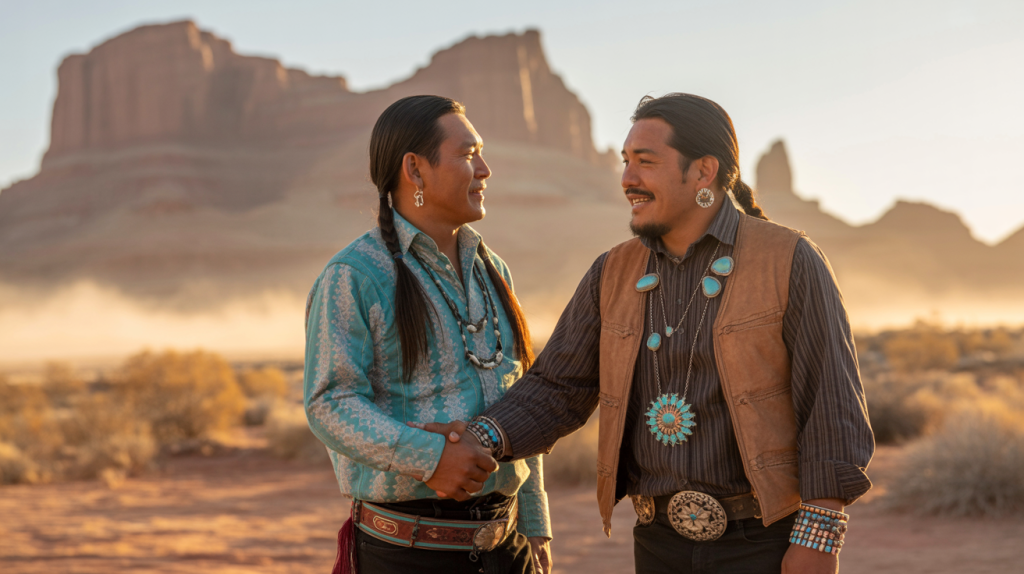
Understanding how to say “good morning” in Navajo opens a window into a culture that has maintained its linguistic traditions for centuries, despite significant challenges.
The Navajo Nation, with over 170,000 speakers, represents the largest Native American language community in the United States, and their morning greetings reflect a deep connection to the cycles of nature, the importance of positive intention, and the sacred relationship between language and spiritual practice.
This comprehensive guide will explore not only the mechanics of saying good morning in Navajo language but also the rich cultural context that gives these words their power.
From pronunciation techniques to ceremonial applications, from daily conversations to formal occasions, we’ll examine how these greetings function as both practical communication tools and expressions of a profound spiritual tradition.
The Core Phrase: “Yáʼátʼééh Abíní”
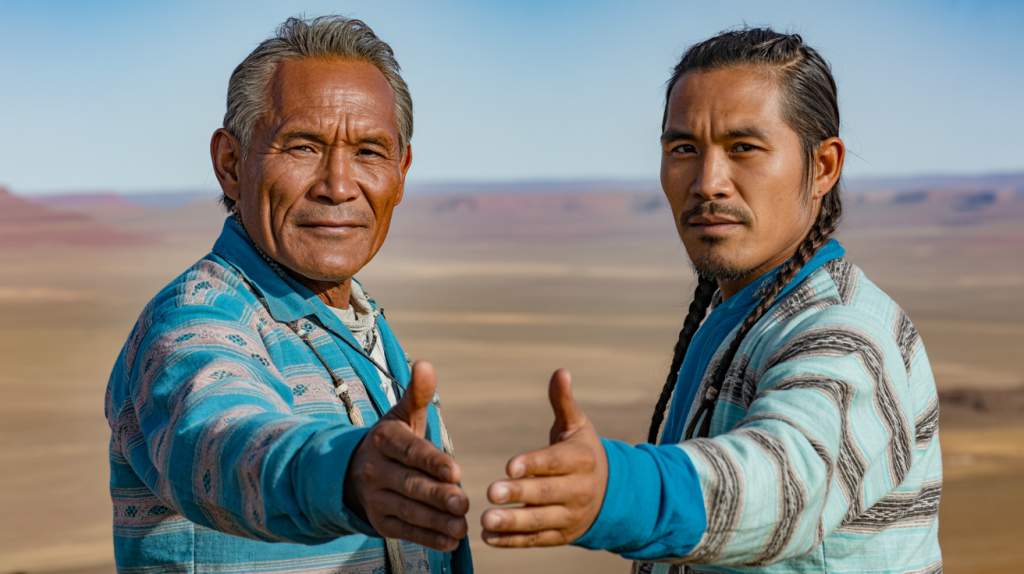
The standard way to say “good morning” in Navajo is “Yáʼátʼééh abíní” (yah-aht-eh ah-bee-nee), a phrase that beautifully demonstrates the Navajo approach to language as both practical communication and spiritual expression.
Deconstructing the Phrase
Yáʼátʼééh – This foundational word in Navajo carries multiple layers of meaning. While often translated simply as “it is good,” yáʼátʼééh encompasses concepts of wellness, harmony, beauty, and positive spiritual energy. It’s both a statement of current conditions and a blessing for continued well-being.
Abíní – This word specifically means “morning” or “dawn,” referring to the early part of the day when the sun first appears. In Navajo culture, morning represents new beginnings, fresh possibilities, and the daily renewal of life’s sacred cycles.
The Deeper Meaning
When combined, “Yáʼátʼééh abíní” literally translates to “it is good morning,” but the cultural meaning extends far beyond this literal interpretation. The phrase expresses:
- Gratitude for the new day: Acknowledging the gift of another sunrise
- Positive intention: Setting a tone of harmony for the hours ahead
- Community connection: Establishing good relationships through proper greeting
- Spiritual awareness: Recognizing the sacred nature of daily cycles
- Cultural continuity: Maintaining traditional ways of interaction
When and How to Use “Yáʼátʼééh Abíní”
This greeting is appropriately used:
- Early morning hours: From sunrise until approximately late morning
- First encounters: When seeing someone for the first time that day
- Formal situations: In respectful or ceremonial contexts
- Community gatherings: At morning events or meetings
- Family interactions: Among relatives and close community members
The phrase carries enough formality to be respectful while remaining warm and accessible for daily use among community members.
Pronunciation Guide and Phonetic Breakdown
Mastering the pronunciation of “Yáʼátʼééh abíní” requires understanding several unique aspects of Navajo phonology, including tonal patterns, glottal stops, and vowel length distinctions that don’t exist in English.
Detailed Phonetic Analysis
Yáʼátʼééh [yá-ʔá-tʼé-éh]
- Yá: Begin with a clear “y” sound followed by “ah” with a high tone (marked by the accent)
- ʼá: The apostrophe represents a glottal stop (like the pause in “uh-oh”) followed by “ah” with high tone
- tʼé: A “t” sound with ejection (sharp release of air) followed by “eh” with high tone
- éh: Extended “eh” sound with high tone
Abíní [a-bí-ní]
- A: Clear “ah” sound with mid tone
- bí: “Bee” sound with high tone
- ní: “Nee” sound with high tone
Key Pronunciation Elements
Tonal Patterns Navajo uses pitch to distinguish meaning, similar to languages like Mandarin Chinese. The accent marks in the written form indicate high tones, which should be pronounced with slightly elevated pitch compared to unmarked syllables.
Glottal Stops The apostrophe (ʼ) represents a glottal stop—a brief cessation of airflow created by closing the vocal cords. This sound occurs naturally in English in expressions like “uh-oh” but is phonemic in Navajo, meaning it can change word meanings.
Ejective Consonants The “tʼ” in “Yáʼátʼééh” is an ejective consonant, produced with a sharp burst of air. This requires more forceful articulation than regular English “t” sounds.
Vowel Length and Quality Pay attention to the length and quality of vowels. The “éh” in “Yáʼátʼééh” should be held longer than a typical English vowel, and the quality should remain consistent throughout.
Practice Techniques
Slow Repetition Method Begin by pronouncing each syllable separately, focusing on accurate tone and consonant production:
- Yá… ʼá… tʼé… éh
- A… bí… ní
Tone Practice Practice the tonal contours by humming the melody of the phrase before adding consonants and vowels.
Recording and Comparison Record yourself pronouncing the phrase and compare with native speaker audio when available.
Muscle Memory Development Repeat the phrase multiple times daily to develop the muscle memory necessary for accurate pronunciation.
Cultural Context and Spiritual Significance
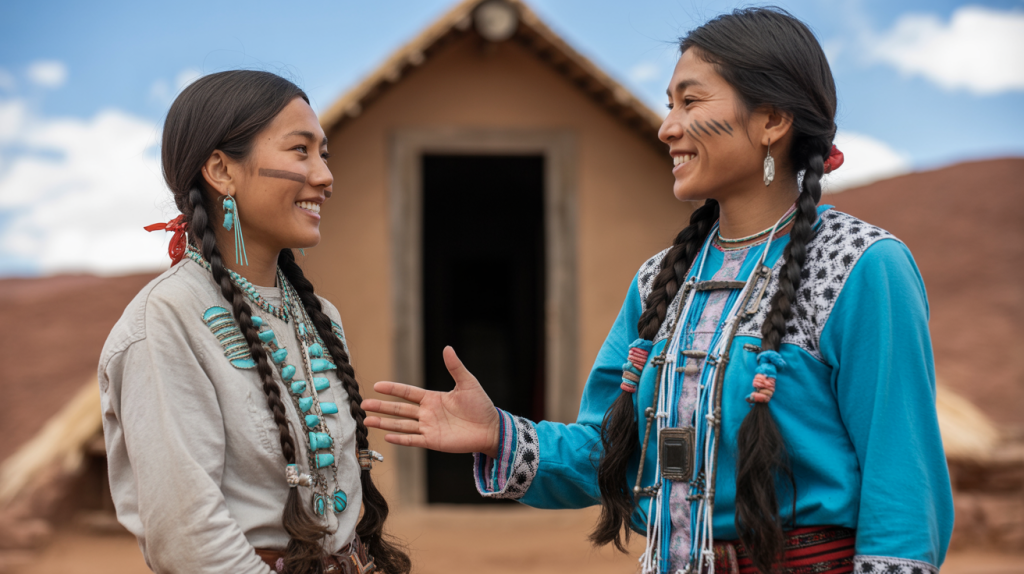
Understanding the cultural context of “Yáʼátʼééh abíní” requires exploring the fundamental Navajo concept of hózhǫ́ and how morning greetings function within the broader framework of traditional Navajo life.
The Philosophy of Hózhǫ́
Hózhǫ́ (hoh-ZHAWN) represents one of the most important concepts in Navajo culture, encompassing harmony, beauty, balance, and the state of walking in a good way. Morning greetings like “Yáʼátʼééh abíní” are direct expressions of this philosophy, as they:
- Establish harmony: Creating positive energy for interpersonal interactions
- Acknowledge beauty: Recognizing the inherent beauty in each new day
- Maintain balance: Contributing to the equilibrium between individuals and community
- Affirm wellness: Expressing hope and intention for continued well-being
Sacred Relationship with Dawn
In traditional Navajo culture, dawn holds special spiritual significance as:
The Time of Renewal Each sunrise represents a fresh beginning, an opportunity to start anew with positive intentions and clear purpose.
Connection to Sacred Directions The east, where the sun rises, is one of the four sacred directions in Navajo cosmology, associated with new beginnings, planning, and the color white.
Spiritual Preparation Traditional Navajo people often use the dawn hours for prayer, meditation, and spiritual preparation for the day ahead.
Community Awakening Morning represents the time when the community awakens together, and proper greetings help establish positive relationships for the day.
Integration with Daily Practices
Morning greetings are integrated into traditional Navajo daily practices through:
Prayer and Meditation Many traditional Navajo people begin their day with prayers that include expressions similar to “Yáʼátʼééh abíní,” acknowledging the gift of a new day.
Family Interactions Within families, morning greetings establish tone and priority for family harmony throughout the day.
Community Gatherings In traditional community meetings or gatherings that begin in the morning, proper greetings help establish the respectful atmosphere necessary for productive interaction.
Work and Daily Activities As people begin their daily work—whether traditional activities like herding or contemporary employment—morning greetings help maintain cultural connection and positive intention.
Seasonal and Environmental Awareness
Navajo morning greetings also reflect awareness of:
Seasonal Changes The specific qualities of each season influence how morning greetings are understood and experienced.
Weather Conditions Traditional speakers might modify or extend morning greetings based on weather conditions, acknowledging the relationship between human activity and natural phenomena.
Geographic Location The specific landscape and environment influence the spiritual and practical aspects of morning greetings.
Complete Navajo Greeting System
The Navajo language offers a rich system of greetings that extends far beyond morning salutations, providing appropriate expressions for various times of day, social situations, and levels of formality.
Foundation Greeting: Yáʼátʼééh
Yáʼátʼééh serves as the foundational greeting in Navajo, applicable in numerous contexts:
- General hello: Used throughout the day as a universal greeting
- Well-being acknowledgment: Expressing that things are good or well
- Positive affirmation: Confirming harmony and balance
- Response greeting: Appropriate response to various other greetings
This versatility makes “Yáʼátʼééh” one of the most important words for beginning Navajo speakers to master.
Time-Specific Greetings
Morning Greetings
- Yáʼátʼééh abíní – Good morning (standard)
- Abíní yáʼátʼééh – Morning is good (alternative construction)
Afternoon Greetings
- Yáʼátʼééh – Hello (contextual, used throughout afternoon)
- Tł’ééjí yáʼátʼééh – Good afternoon (more specific)
Evening Greetings
- Yáʼátʼééh ałníʼíní – Good evening
- Góóshį́į́ yáʼátʼééh – Good evening (alternative)
Night/Bedtime
- Yáʼátʼééh hiiłchiʼįʼ – Good night (for sleeping)
Conversational Greeting Exchanges
Basic Inquiry Patterns
- Ąąʼ haʼíí baa naniná? – “How are you?” (literally “What are you doing?”)
- Haash yinilyé? – “What is your name?”
- Háadi naanish? – “Where are you going?”
Standard Responses
- ʼÁh nístsʼííd – “I’m fine, I’m good”
- Shí éí _____ yinishyé – “My name is _____”
- Dooda ádaalyaa – “Nothing much” (casual response)
Polite Expressions and Social Lubricants
Please and Thank You
- Tʼaa shoodi – Please
- Ahéheeʼ – Thank you
- Ahéheeʼ – You’re welcome (same as thank you)
Attention and Apologies
- Shił éí? – Excuse me (getting attention)
- Shóóh – Sorry, excuse me
- Tʼáá íiyisíí – Very much, really
Affirmation and Negation
- Aooʼ – Yes
- Dooda – No
- Tʼáá áko – That’s right, exactly
Farewell Expressions
Formal Goodbyes
- Hágoóneeʼ – Goodbye (formal)
- Yáʼátʼééh góyaa – Go in a good way
Informal Farewells
- Hágóóshį́į́ – Goodbye (informal)
- Ałkʼidą́ą́ʼ – See you later
Journey Wishes
- Yáʼátʼééh íniłná – Travel safely
- Hózhǫ́ǫ́ góyaa – Go in harmony
Ceremonial and Respectful Greetings
Navajo culture includes specialized greeting forms for ceremonial occasions, formal gatherings, and interactions with respected community members. These expressions demonstrate the language’s capacity for nuanced social communication and spiritual expression.
Ceremonial Morning Blessings
Extended Blessing Greetings
- Yáʼátʼééh! Dííjį́ yéego hózhǫ́ dooleeł! – “Hello! May today be very harmonious!” This greeting extends beyond simple acknowledgment to actively invoke harmony and positive energy for the day ahead.
Spiritual Invocation Greetings
- Yáʼátʼééh! Nił hólǫ́ holneʼ. Tʼáá łitso nádleehígíí iiná. – “Hello! May you be well. May your path be blessed and bright.” This formal blessing incorporates wishes for health, spiritual protection, and guidance.
Community Gathering Openings In traditional community meetings or ceremonies that begin in the morning, leaders might use extended greetings that:
- Acknowledge all participants
- Invoke spiritual protection and guidance
- Establish the sacred nature of the gathering
- Connect participants to traditional values and purposes
Respectful Address with Kinship Terms
Family Respect Greetings
- Yáʼátʼééh, shimásání – “Good morning, my grandmother”
- Yáʼátʼééh, shizhéʼé – “Good morning, my father”
- Yáʼátʼééh, shimá – “Good morning, my mother”
- Yáʼátʼééh, shicheii – “Good morning, my grandfather”
Community Elder Greetings When addressing respected elders or community leaders, greetings often include:
- Kinship terms of respect
- Extended wishes for well-being
- Acknowledgment of the person’s role and wisdom
- Requests for guidance or blessing
Clan and Cultural Identity Greetings
Clan Introduction Greetings In formal situations, especially when meeting new people, Navajo tradition includes introducing oneself with clan affiliations:
- Yáʼátʼééh! [Clan name] nishłį́ – “Hello! I am of [Clan name]”
This practice maintains cultural connections and helps establish appropriate social relationships.
Seasonal and Ceremonial Acknowledgments Greetings during specific seasons or ceremonies might include:
- References to seasonal activities and responsibilities
- Acknowledgments of ceremonial purposes
- Connections to traditional calendar and spiritual cycles
Sacred Geography in Greetings
Traditional Navajo greetings sometimes incorporate references to sacred directions, mountains, or geographical features:
Directional Acknowledgments Referencing the four sacred directions (east, south, west, north) in greetings connects speakers to traditional cosmology and spiritual orientation.
Mountain and Landscape References Mentioning sacred mountains or local geographical features in greetings maintains connection to traditional homeland and spiritual landscape.
Natural Phenomena Integration Traditional speakers might incorporate references to weather, seasons, or natural cycles into extended greeting forms.
Regional and Seasonal Variations
Like all living languages, Navajo exhibits regional variations and seasonal adaptations in greeting practices, reflecting the diverse geographical areas of the Navajo Nation and the importance of seasonal awareness in traditional culture.
Geographical Variations
Regional Pronunciation Differences Different areas of the Navajo Nation may show slight variations in:
- Vowel pronunciation and length
- Tonal patterns and emphasis
- Speed and rhythm of greeting delivery
- Specific vocabulary choices
Dialectal Considerations While “Yáʼátʼééh abíní” is universally understood, some regions might prefer:
- Alternative constructions or word orders
- Local expressions that convey similar meanings
- Integration with local geographical or cultural references
Border Influence Areas Regions near other tribal territories or non-Navajo communities might show:
- Borrowed expressions or influence from neighboring languages
- Code-switching patterns in bilingual speakers
- Adaptations for cross-cultural communication
Seasonal Greeting Adaptations
Spring Morning Greetings Spring might inspire greetings that reference:
- New growth and renewal
- Planting and agricultural activities
- Increased daylight and warming weather
- Traditional spring ceremonies and practices
Summer Greeting Patterns Summer morning greetings might incorporate:
- References to longer days
- Agricultural and pastoral activities
- Traditional summer gathering activities
- Heat and weather considerations
Autumn Acknowledgments Fall morning greetings often include:
- Harvest and gathering references
- Preparation for winter activities
- Traditional autumn ceremonies
- Gratitude for summer’s abundance
Winter Greeting Adaptations Winter morning greetings might feature:
- References to cold weather and winter conditions
- Traditional storytelling season acknowledgments
- Community gathering and indoor activity references
- Wishes for warmth and protection
Contemporary Adaptations
Modern Context Integration Contemporary Navajo speakers might adapt traditional greetings for:
- School and workplace environments
- Urban settings away from traditional homeland
- Technology-mediated communication
- Inter-generational communication patterns
Youth Language Patterns Younger speakers might:
- Modify traditional greetings for peer communication
- Integrate English and Navajo in greeting exchanges
- Adapt formal greetings for informal contexts
- Create new expressions that maintain traditional values
Formal Institution Usage In schools, government offices, and formal institutions, greeting patterns might:
- Combine traditional and contemporary elements
- Accommodate diverse language proficiency levels
- Maintain cultural authenticity while ensuring accessibility
- Bridge traditional and modern communication needs
Practice Dialogues and Conversations
Learning to use “Yáʼátʼééh abíní” and related greetings effectively requires practice in realistic conversational contexts. These dialogues demonstrate natural usage patterns and provide models for learners at different proficiency levels.
Basic Morning Greeting Exchanges
Dialogue 1: Simple Morning Encounter Person A: Yáʼátʼééh abíní! (Good morning!) Person B: Yáʼátʼééh abíní! Ąąʼ haʼíí baa naniná? (Good morning! How are you?) Person A: ʼÁh nístsʼííd. Ahéheeʼ. (I’m fine, thank you.) Person B: Yáʼátʼééh. (Good.)
Dialogue 2: Extended Morning Conversation Person A: Yáʼátʼééh abíní! Jóhonaaʼéí yáʼátʼééh bá. (Good morning! The sun is shining bright.) Person B: Aooʼ, ayudishíhí binaanishí. (Yes, it is a good day!) Person A: Haʼátʼíí shí yáhootʼééł? (How did you sleep?) Person B: Doo shił bił hahoodzo. Ahéheeʼ. (I slept well, thank you.)
Family Context Dialogues
Dialogue 3: Family Morning Interaction Child: Yáʼátʼééh abíní, shimá! (Good morning, Mom!) Mother: Yáʼátʼééh abíní, shiyáázh! Ąąʼ haʼíí baa naniná? (Good morning, my dear! How are you?) Child: ʼÁh nístsʼííd. Dííjį́ háadi naanish? (I’m fine. Where are you going today?) Mother: Naabeeho bikéyah góne naanish. (I’m going to work in the Navajo Nation.)
Dialogue 4: Grandparent-Grandchild Exchange Grandchild: Yáʼátʼééh abíní, shimásání! (Good morning, Grandmother!) Grandmother: Yáʼátʼééh abíní, sitsóí! Nizhónígo ałhééhosiilzįįd. (Good morning, my grandchild! It’s nice to see you.) Grandchild: Nizhónígo ałhééhosiilzįįd doo. (Nice to see you too.)
Community and Workplace Dialogues
Dialogue 5: Workplace Morning Greeting Colleague A: Yáʼátʼééh abíní! Dííjį́ yéego hózhǫ́ dooleeł! (Good morning! May today be very harmonious!) Colleague B: Yáʼátʼééh! Ahéheeʼ. Azhą́ągo naalnish. (Hello! Thank you. Let’s work well.) Colleague A: Aoo’, tʼáá áko. (Yes, exactly.)
Dialogue 6: Community Meeting Opening Leader: Yáʼátʼééh abíní, shidineʼé! (Good morning, my relatives!) Community: Yáʼátʼééh abíní! (Good morning!) Leader: Dííjį́ nizhónígo ałhéédidoolzįįł. (Today we will meet in a good way.) Community: Aoo’, yáʼátʼééh. (Yes, it is good.)
Formal and Ceremonial Dialogue Examples
Dialogue 7: Ceremonial Greeting Medicine Person: Yáʼátʼééh abíní! Nił hólǫ́ holneʼ. (Good morning! May you be well.) Participant: Yáʼátʼééh abíní! Ahéheeʼ nizhónígo. (Good morning! Thank you kindly.) Medicine Person: Hózhǫ́ǫ́ náhasdlįį́. (Let us begin in harmony.)
Dialogue 8: Educational Setting Teacher: Yáʼátʼééh abíní, óltaʼ! (Good morning, students!) Students: Yáʼátʼééh abíní, báhooʼaah! (Good morning, teacher!) Teacher: Dííjį́ Diné bizaad ałhidoonił. (Today we will learn Navajo language.) Students: Yáʼátʼééh, nízhóní. (Good, it’s beautiful.)
Cross-Generational Dialogue
Dialogue 9: Elder Teaching Moment Elder: Yáʼátʼééh abíní, házhóʼó óltaʼ! (Good morning, dear students!) Young Adults: Yáʼátʼééh abíní! (Good morning!) Elder: Diné bizaad bá ąąh yidíistsąąh. (You should be proud of the Navajo language.) Young Adults: Aoo’, yáʼátʼééh ádajoolnííł. (Yes, we will learn it well.)
Time-Specific Greetings Throughout the Day
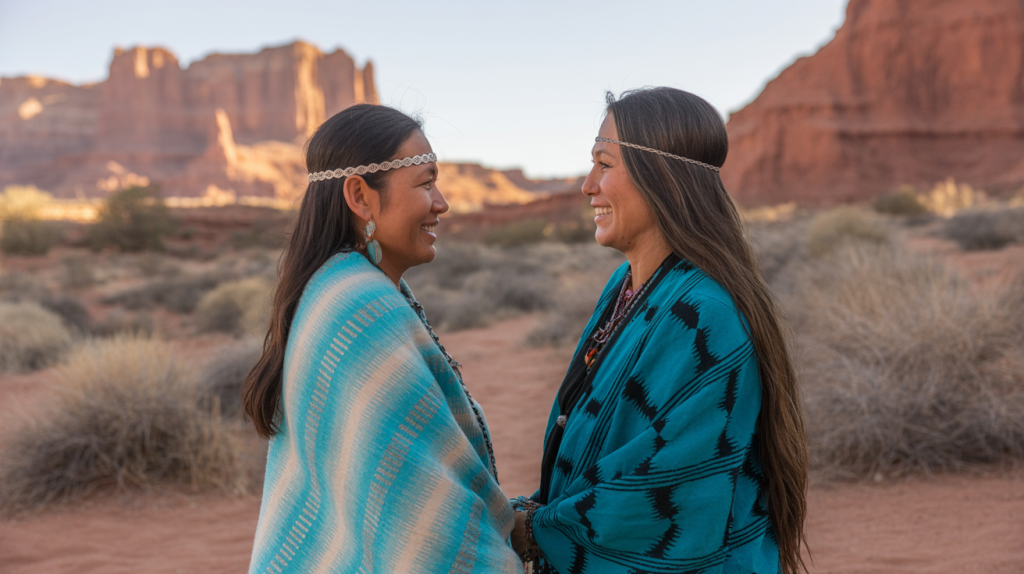
Understanding the full spectrum of time-specific greetings in Navajo provides learners with the ability to appropriately acknowledge different parts of the day and demonstrate cultural awareness of temporal patterns.
Dawn and Early Morning (5:00 AM – 9:00 AM)
Primary Early Morning Greetings
- Yáʼátʼééh abíní – The standard good morning greeting
- Abíní yáʼátʼééh – Alternative construction emphasizing the goodness of morning
- Hayóółkááł abíní – Very early morning, pre-dawn greeting
Cultural Context for Early Morning Traditional Navajo culture values early rising, and dawn is considered a particularly sacred time for:
- Prayer and meditation
- Planning the day’s activities
- Connecting with spiritual practices
- Beginning work and daily responsibilities
Mid-Morning to Noon (9:00 AM – 12:00 PM)
Transitional Morning Greetings
- Yáʼátʼééh – General greeting becoming more common as morning progresses
- Tł’ééjí yáʼátʼééh – Mid-day approaching greeting
- Ałníʼíní táʼ yáʼátʼééh – Late morning greeting
Activities and Social Context Mid-morning represents active work time in traditional Navajo daily patterns:
- Community activities and social visits
- Traditional work like herding or farming
- Market and trading activities
- Educational and cultural activities
Afternoon Hours (12:00 PM – 6:00 PM)
Standard Afternoon Greetings
- Yáʼátʼééh tł’ééjí – Good afternoon
- Yáʼátʼééh – Universal greeting appropriate throughout afternoon
- Tł’ééjí yáʼátʼééh nizhónígo – Beautiful good afternoon
Social Patterns in Afternoon Afternoon greetings often accompany:
- Community meetings and gatherings
- Social visits and family interactions
- Market activities and trade
- Educational and cultural programs
Evening Transition (6:00 PM – 9:00 PM)
Evening Greeting Variations
- Yáʼátʼééh ałníʼíní – Good evening (standard)
- Góóshį́į́ yáʼátʼééh – Good evening (alternative)
- Ałníʼíní yáʼátʼééh nizhónígo – Beautiful good evening
Evening Cultural Activities Evening time in traditional Navajo culture includes:
- Family gathering and storytelling
- Ceremonial activities
- Community meetings and discussions
- Preparation for rest and reflection
Night and Bedtime (9:00 PM onwards)
Night and Bedtime Greetings
- Yáʼátʼééh hiiłchiʼįʼ – Good night (for sleeping)
- Hózhǫ́ǫ́ hiiłchiʼįʼ – Sleep in harmony
- Yáʼátʼééh bitsą́ądoo hiiłchiʼįʼ – Good night, sleep peacefully
Bedtime Cultural Practices Night greetings connect to traditional practices including:
- Prayers and spiritual reflection
- Family blessing and protection
- Preparation for spiritual rest
- Connection to dream time and spiritual guidance
Special Time Acknowledgments
Sunrise Specific Greetings
- Jóhonaaʼéí ałhidayiiłááł – The sun has risen
- Hayóółkááł yáʼátʼééh – Dawn is good
Sunset Recognition
- Jóhonaaʼéí eeʼałníʼíní – The sun is setting
- Ałníʼíní nizhóní – Beautiful evening
Seasonal Time References Different seasons might modify time-specific greetings to reflect:
- Varying daylight patterns
- Seasonal activities and responsibilities
- Traditional ceremonial calendar
- Agricultural and pastoral cycles
Formal vs. Informal Usage
Understanding the distinction between formal and informal greeting usage in Navajo helps speakers navigate social situations appropriately and demonstrate proper cultural respect and awareness.
Formal Greeting Contexts
Ceremonial and Spiritual Settings In traditional ceremonies, healing gatherings, or spiritual contexts, formal greetings include:
- Extended blessing phrases
- Invocation of harmony and protection
- Acknowledgment of sacred purposes
- Recognition of spiritual responsibilities
Example Formal Ceremonial Greeting: “Yáʼátʼééh abíní! Dííjį́ yéego hózhǫ́ dooleeł! Nił hólǫ́ holneʼ dóó tʼáá łitso nádleehígíí iiná.” “Good morning! May today be very harmonious! May you be well and may your path be blessed and bright.”
Community Leadership and Official Contexts When addressing or being addressed by:
- Tribal leaders and officials
- Elders and respected community members
- Medicine people and spiritual leaders
- Teachers and educational authorities
Educational and Academic Settings In schools, colleges, or formal educational programs, greetings often maintain:
- Respectful distance and formality
- Recognition of teaching-learning relationships
- Cultural propriety and traditional values
- Appropriate acknowledgment of authority
Inter-tribal and Cross-cultural Contexts When representing Navajo culture to outside communities or in inter-tribal settings:
- Extended explanations of greeting meanings
- Cultural education and sharing
- Diplomatic and representational functions
- Bridge-building between communities
Informal Greeting Patterns
Family and Close Community Among family members and close community, greetings become:
- Shorter and more casual
- Integrated with daily activities
- Personalized and affectionate
- Comfortable and relaxed
Peer and Contemporary Interactions Among friends, colleagues, and age-peers:
- Standard phrases without extended formality
- Integration with casual conversation
- Adaptation to contemporary contexts
- Flexibility in usage patterns
Daily Work and Routine Contexts In everyday work situations, community activities, and routine interactions:
- Efficient and practical communication
- Maintenance of cultural values without ceremony
- Appropriate social acknowledgment
- Functional greeting patterns
Age and Gender Considerations
Intergenerational Greeting Protocols
- Younger to Older: Generally more formal, showing respect
- Older to Younger: Can be more casual, showing care and guidance
- Peer Interactions: Balanced formality appropriate to relationship
Gender-Specific Considerations Traditional Navajo culture includes some gender-specific elements in greetings:
- Different kinship terms based on speaker and listener gender
- Cultural protocols for cross-gender interactions
- Traditional roles reflected in greeting patterns
- Contemporary adaptations of traditional practices
Situational Formality Indicators
Factors Increasing Formality
- First meetings or new relationships
- Significant age differences
- Traditional or ceremonial contexts
- Official or representative functions
- Cross-cultural communication needs
Factors Allowing Informality
- Established relationships and familiarity
- Family and clan connections
- Peer interactions and contemporary contexts
- Casual social settings
- Routine daily interactions
Modern Adaptations of Traditional Formality
Contemporary Professional Settings Modern Navajo speakers adapt traditional formality patterns for:
- Business and professional environments
- Educational institutions
- Government and tribal administration
- Healthcare and social services
Technology-Mediated Communication Formal and informal patterns adapt to:
- Phone and video communications
- Social media and digital platforms
- Email and written correspondence
- Cross-cultural digital interactions
Learning Resources and References
Developing proficiency with Navajo morning greetings and related expressions requires access to quality learning materials, authentic pronunciation models, and cultural context resources.
Online Learning Platforms
Navajo Word of the Day (navajowotd.com) This comprehensive website provides:
- Daily vocabulary with audio pronunciation
- Detailed explanations of cultural context
- Examples of usage in sentences
- Cultural notes and traditional knowledge
- Community discussion and interaction
Omniglot Language Database (omniglot.com) Features extensive Navajo language resources including:
- Useful phrases organized by topic
- Pronunciation guides and phonetic information
- Cultural context and usage notes
- Links to additional learning materials
- Comprehensive language overview
Glosbe Online Dictionary (glosbe.com) Offers:
- Extensive Navajo-English dictionary
- Example sentences and usage contexts
- Pronunciation assistance
- Community contributions and corrections
- Integration with other learning tools
Audio and Video Resources
YouTube Educational Channels Several channels provide authentic Navajo pronunciation:
- Native speaker demonstrations
- Cultural context explanations
- Traditional story and song examples
- Educational content for learners
- Community-created content
Podcast and Audio Resources
- Navajo language learning podcasts
- Traditional story audio recordings
- Contemporary Navajo media
- Educational institution resources
- Community radio and audio content
Academic and Institutional Resources
Diné College Language Programs As the tribal college of the Navajo Nation:
- Comprehensive language courses
- Cultural immersion programs
- Traditional knowledge integration
- Community-based learning opportunities
- Academic credit programs
University Navajo Language Programs Several universities offer Navajo language courses:
- University of New Mexico
- Northern Arizona University
- Arizona State University
- Utah State University
- Various community colleges
Navajo Language Academy The official language preservation organization provides:
- Standardized spelling and pronunciation guides
- Teacher training and certification
- Curriculum development resources
- Cultural preservation initiatives
- Community language programs
Print and Digital Materials
Navajo Language Dictionaries
- Young & Morgan Navajo Dictionary (comprehensive reference)
- Practical Navajo dictionaries for learners
- Specialized vocabulary collections
- Children’s picture dictionaries
- Contemporary usage guides
Grammar and Language Learning Books
- “A Practical Grammar of the Navajo Language” by Robert Young and William Morgan
- “Navajo Made Easier” by Irvy Goossen
- Children’s language learning materials
- Adult education resources
- Academic linguistic analyses
Cultural Context Materials
- Traditional story collections
- Cultural practice descriptions
- Historical and contemporary context books
- Ceremony and tradition explanations
- Community-created materials
Mobile Applications and Digital Tools
Language Learning Apps Several smartphone applications now include Navajo:
- Pronunciation practice tools
- Vocabulary flashcard systems
- Basic conversation practice
- Cultural context integration
- Progress tracking features
Digital Dictionary Tools
- Offline dictionary applications
- Voice recognition and pronunciation feedback
- Example sentence databases
- Cultural note integration
- Community-driven content
Community-Based Learning Opportunities
Local Language Classes Many communities offer Navajo language instruction:
- Community college courses
- Adult education programs
- Cultural center classes
- Elder teaching circles
- Immersion programs
Cultural Events and Gatherings
- Powwows and cultural festivals
- Traditional ceremony participation (when appropriate)
- Community meetings and gatherings
- Educational workshops and seminars
- Inter-tribal language exchanges
Mentorship and Elder Connections
- Traditional speaker mentorship programs
- Elder teaching and storytelling sessions
- Intergenerational language transfer
- Community volunteer opportunities
- Cultural preservation projects
Professional Development Resources
Teacher Training Programs For educators working with Navajo language:
- Certification programs
- Professional development workshops
- Curriculum development resources
- Assessment and evaluation tools
- Cultural competency training
Translation and Interpretation Resources
- Professional development for translators
- Court and medical interpretation training
- Community interpretation services
- Document translation resources
- Technical vocabulary development
Common Pronunciation Mistakes
Learning to pronounce Navajo greetings correctly requires awareness of common errors that English speakers typically make when approaching this tonal, complex language.
Tonal System Errors
Ignoring High Tone Markers The most common mistake involves treating accented vowels (á, é, í, ó) as simple stress rather than pitch changes. In “Yáʼátʼééh abíní”:
- Incorrect: Pronouncing with English stress patterns
- Correct: Raising pitch on accented syllables
- Practice tip: Hum the melody before adding consonants
Inconsistent Tone Application Many learners apply tones randomly rather than following the marked patterns:
- Problem: Using high tone on unmarked syllables
- Solution: Follow written accent marks precisely
- Practice method: Record and compare with native speakers
Glottal Stop Difficulties
Omitting Glottal Stops The apostrophe (ʼ) represents a crucial sound that English speakers often skip:
- In “Yáʼátʼééh”: The ʼá requires a brief vocal cord closure
- Practice technique: Start with English “uh-oh” and transfer the middle sound
- Common error: Pronouncing as “ya-ah-teh” instead of “ya-ʼah-teh”
Incorrect Glottal Stop Timing Placing the glottal stop at the wrong time or holding it too long:
- Target: Brief, crisp closure followed immediately by the vowel
- Avoid: Extended pauses or throat clearing sounds
- Method: Practice rapid on-off vocal cord movement
Ejective Consonant Problems
Regular T Instead of Ejective Tʼ The “tʼ” in “Yáʼátʼééh” requires forceful air release:
- English tendency: Using regular “t” sound
- Navajo requirement: Sharp burst of air with the “t”
- Practice: Place hand in front of mouth to feel air burst
Inconsistent Air Pressure Failing to maintain the forceful articulation throughout the word:
- Problem: Starting with ejective but weakening
- Solution: Conscious attention to air pressure maintenance
- Exercise: Practice word in slow motion with exaggerated ejection
Vowel Length and Quality Errors
Shortening Long Vowels Navajo vowels often require longer duration than English:
- In “abíní”: Both “í” sounds should be held longer than English “ee”
- Common mistake: Rushing through vowel sounds
- Practice: Count beats while holding vowels
Vowel Quality Shifts Changing vowel quality during pronunciation:
- Target: Consistent vowel quality throughout duration
- Error: Allowing vowels to drift or weaken
- Method: Practice sustained vowel tones with consistent quality
Rhythm and Pace Issues
English Rhythm Patterns Applying English stress-timed rhythm to Navajo:
- Problem: Rushing unstressed syllables
- Navajo pattern: More syllable-timed rhythm
- Solution: Give each syllable appropriate time and attention
Inappropriate Speed Speaking too quickly for accurate pronunciation:
- Cultural consideration: Respectful, deliberate pace shows respect
- Learning benefit: Slower speech allows attention to all phonetic elements
- Practice: Begin very slowly and gradually increase speed
Cultural and Contextual Mistakes
Casual Usage of Formal Greetings Using extended ceremonial greetings inappropriately:
- Problem: Over-formalizing casual interactions
- Solution: Learn appropriate contexts for different greeting levels
- Cultural awareness: Match formality to situation
Incomplete Cultural Understanding Focusing only on pronunciation without cultural context:
- Issue: Technically correct but culturally inappropriate usage
- Solution: Study cultural context alongside pronunciation
- Approach: Learn when and how to use greetings appropriately
Learning Strategy Errors
Perfectionism Paralysis Refusing to speak until pronunciation is perfect:
- Problem: Missing opportunities for practice and feedback
- Better approach: Accept gradual improvement through practice
- Community benefit: Most speakers appreciate genuine efforts
Isolation Learning Avoiding interaction with native speakers:
- Limitation: Missing authentic pronunciation models
- Solution: Seek respectful opportunities to hear and practice
- Resource: Community events and educational settings
Correction and Improvement Strategies
Self-Monitoring Techniques
- Recording practice: Regular audio recording for self-assessment
- Checklist approach: Systematic attention to each pronunciation element
- Progress tracking: Noting improvement in specific areas
Feedback Integration
- Native speaker input: Respectfully requesting pronunciation feedback
- Peer learning: Practicing with other learners for mutual support
- Educational resources: Using multiple learning materials for comparison
Systematic Practice
- Daily repetition: Consistent practice of basic greetings
- Progressive complexity: Starting simple and adding elements gradually
- Cultural integration: Practicing greetings within cultural context
Building Your Greeting Vocabulary
Developing proficiency with Navajo greetings extends beyond memorizing “Yáʼátʼééh abíní” to building a comprehensive vocabulary that supports natural, culturally appropriate communication.
Core Vocabulary Foundation
Essential Greeting Components
- Yáʼátʼééh – It is good, hello, well-being
- Abíní – Morning, dawn
- Ałníʼíní – Evening
- Tł’ééjí – Midday, afternoon
- Hiiłchiʼįʼ – Night, sleep time
Response and Acknowledgment Words
- Aoo’ – Yes
- Dooda – No
- Ahéheeʼ – Thank you
- Tʼáá áko – That’s right, exactly
- Nizhóní – It’s beautiful, good
Question Formation Vocabulary
- Ąąʼ – What
- Haash – What (in different context)
- Háadi – Where
- Haʼíí – What/which
- Yá’ééh – Question particle
Kinship and Relationship Terms
Immediate Family Terms
- Shimá – My mother
- Shizhé’é – My father
- Shimásání – My grandmother
- Shicheii – My grandfather
- Sitsóí – My grandchild
Extended Family Vocabulary
- Shidine’é – My family, my people
- Shikʼéí – My relatives
- Shił nááhai – My clan relatives
- Shitsóóke – My clan group
- Shich’ah – My sister (male speaking)
Community Relationship Terms
- Shiłak’eh – My friend
- Shina’áash – My helper, companion
- Báhooʼaah – Teacher
- Óltá’ – Students
- Hastiin – Man, gentleman
- Asdzą́ą́ – Woman, lady
Time and Temporal Expressions
Daily Time Periods
- Hayóółkááł – Dawn, very early morning
- Abíní – Morning
- Tł’ééjí – Midday, noon
- Ałníʼíní – Evening
- Tł’éé’go – Night
- Anííłnish – Midnight
Temporal Modifiers
- Dííjį́ – Today
- Yiskąągo – Tomorrow
- Adą́ądą́ą́’ – Yesterday
- Ałkʼidą́ą́’ – Later
- Kʼad – Now
- Áádóó – And then, next
Seasonal References
- Ak’eed – Summer
- Shitsoh – Autumn
- Hai – Winter
- Ahóóhai – Spring
Emotional and Social States
Well-being Expressions
- Hózhǫ́ – Harmony, beauty, balance
- ʼÁh nístsʼííd – I’m fine, good
- Yáhoot’éél – Sleeping well, resting
- Bił hólǫ́ – Healthy, well
- Nizhónígo – Beautifully, well
Social Interaction Terms
- K’é – Kinship, proper relationships
- Ałhéédidoolzįįł – We will meet
- Naalnish – Work, activity
- Yá’át’ééh góyaa – Go in a good way
- Hózhǫ́ǫ́ góyaa – Go in harmony
Activity and Purpose Vocabulary
Daily Activities
- Naalnish – Work, working
- Ółta’ – School, studying
- Naanish – Going, traveling
- Ch’iyáán – Food, eating
- Níłch’i – Air, breathing, spirit
Purpose and Direction
- Góyaa – Going
- Náhást’éí – Coming back
- Bá – For, because of
- Bił – With
- Bi’ – His/her/its
Progressive Learning Strategy
Beginner Level (Weeks 1-4) Focus on core greeting exchanges:
- Master “Yáʼátʼééh abíní” pronunciation
- Learn basic response patterns
- Practice simple family terms
- Understand yes/no vocabulary
Intermediate Level (Weeks 5-12) Expand conversational ability:
- Add time-specific greetings
- Include emotional state expressions
- Practice extended family terms
- Integrate activity vocabulary
Advanced Level (Months 4-12) Develop cultural fluency:
- Master ceremonial greeting forms
- Understand seasonal variations
- Use appropriate formality levels
- Integrate cultural context naturally
Vocabulary Learning Techniques
Pattern Recognition
- Root identification: Recognizing common word roots and patterns
- Prefix/suffix analysis: Understanding grammatical modifications
- Sound pattern awareness: Recognizing Navajo phonological patterns
Cultural Context Integration
- Situational learning: Learning vocabulary within cultural contexts
- Story integration: Using traditional stories to learn vocabulary
- Ceremony connection: Understanding vocabulary within spiritual contexts
Memory Enhancement Methods
- Visual association: Connecting words with mental images
- Cultural imagery: Using traditional cultural images for memory
- Repetition patterns: Systematic review and practice schedules
- Social practice: Using vocabulary in real social situations
Advanced Vocabulary Development
Specialized Greeting Contexts
- Ceremonial vocabulary: Terms for spiritual and traditional contexts
- Seasonal greetings: Vocabulary adapted for different times of year
- Regional expressions: Understanding geographical variations
- Contemporary adaptations: Modern usage and contemporary contexts
Professional and Educational Vocabulary
- Workplace greetings: Appropriate terms for professional settings
- Educational contexts: School and learning-related vocabulary
- Community leadership: Terms for civic and community interaction
- Inter-tribal communication: Vocabulary for cross-cultural contexts
Integration with Daily Navajo Practices
Understanding how morning greetings integrate with broader Navajo daily practices provides learners with authentic context for using these expressions meaningfully and respectfully.
Traditional Daily Rhythm
Dawn Practices and Morning Greetings Traditional Navajo daily life begins before sunrise with:
- Personal prayer and meditation: Individual spiritual preparation for the day
- Family acknowledgment: Greeting family members with respect and care
- Spiritual orientation: Connecting with the four sacred directions
- Intention setting: Establishing positive purposes for daily activities
“Yáʼátʼééh abíní” emerges naturally from this spiritual foundation, serving as both acknowledgment of the new day’s gift and expression of intention for harmonious interaction.
Integration with Morning Responsibilities Traditional morning activities include:
- Care for animals: Greeting and tending livestock with respectful attention
- Household preparations: Beginning daily work with family coordination
- Community awareness: Acknowledging neighbors and community members
- Cultural practices: Maintaining traditional customs and observances
Hózhǫ́ and Daily Greeting Practice
Living in Harmony The concept of hózhǫ́ (harmony, beauty, balance) influences how greetings function throughout the day:
- Relationship maintenance: Greetings preserve and strengthen social bonds
- Spiritual practice: Each greeting becomes a small prayer or blessing
- Community building: Proper greetings contribute to collective well-being
- Cultural continuity: Traditional greetings maintain connection to ancestral wisdom
Balancing Individual and Community Needs Morning greetings help balance:
- Personal spiritual practice with community social obligations
- Traditional cultural values with contemporary practical needs
- Family relationships with broader community connections
- Individual wellness with collective harmony
Seasonal Integration
Spring Morning Practices Spring (Ahóóhai) brings specific cultural activities that influence greeting patterns:
- Planting and agricultural preparation: Greetings acknowledge shared work
- Renewal ceremonies: Formal greetings in spiritual contexts
- Community gathering: Seasonal social activities require appropriate greetings
- Traditional teachings: Elder-youth interactions use formal greeting patterns
Summer Activities and Greetings Summer (Ak’eed) daily patterns include:
- Extended daylight activities: Greetings acknowledge longer working days
- Community ceremonies: Formal greeting patterns for traditional gatherings
- Travel and visiting: Greetings for family and community connections
- Harvest preparation: Collaborative work requiring social coordination
Autumn and Winter Practices Fall and winter bring different greeting contexts:
- Harvest activities: Community work requiring social coordination
- Storytelling season: Traditional narrative contexts for greetings
- Indoor community activities: Modified greeting patterns for closer quarters
- Spiritual reflection: Contemplative aspects of greeting practice
Family and Kinship Contexts
Intergenerational Greeting Patterns Within traditional Navajo families, greeting patterns reflect:
- Respect for elders: Formal acknowledgment of wisdom and experience
- Guidance for youth: Teaching appropriate social behavior through example
- Family harmony: Maintaining positive relationships through proper greeting
- Cultural transmission: Passing traditional values through daily practice
Clan and Extended Family Integration Navajo kinship systems influence greeting practices through:
- Clan relationships: Acknowledging complex family connections
- Community responsibilities: Recognizing social obligations and relationships
- Traditional roles: Understanding appropriate behavior based on kinship position
- Geographic connections: Maintaining relationships across distances
Contemporary Adaptations
Urban and Modern Contexts Contemporary Navajo people adapt traditional greeting practices for:
- Urban environments: Maintaining cultural identity away from traditional homeland
- Professional settings: Integrating traditional values with contemporary work requirements
- Educational institutions: Teaching and preserving culture in formal educational contexts
- Technology-mediated communication: Adapting greeting patterns for digital interaction
Bilingual and Bicultural Navigation Modern Navajo speakers often navigate:
- Code-switching: Moving between Navajo and English greeting patterns
- Cultural code-switching: Adapting behavior for different cultural contexts
- Generational differences: Bridging traditional and contemporary approaches
- Cross-cultural communication: Representing Navajo culture in diverse settings
Spiritual and Ceremonial Integration
Prayer and Spiritual Practice Morning greetings connect to traditional spiritual practices through:
- Personal prayer: Individual spiritual communication and gratitude
- Family blessing: Collective spiritual practice within households
- Community prayer: Shared spiritual activities in larger groups
- Ceremonial participation: Formal spiritual events requiring proper protocol
Traditional Ceremony Participation In traditional ceremonies, greeting practices involve:
- Arrival protocols: Appropriate ways to acknowledge presence and participation
- Spiritual preparation: Greeting as part of sacred preparation process
- Community respect: Acknowledging all participants with proper greeting
- Cultural preservation: Maintaining traditional forms in sacred contexts
Educational and Cultural Transmission
Teaching and Learning Contexts Greeting practices serve educational functions through:
- Language preservation: Maintaining traditional vocabulary and pronunciation
- Cultural value transmission: Teaching respect, harmony, and proper behavior
- Social skill development: Learning appropriate interaction patterns
- Identity formation: Connecting young people to cultural heritage
Community Knowledge Sharing Traditional greeting patterns facilitate:
- Elder teaching: Creating respectful contexts for knowledge transmission
- Peer learning: Supporting mutual learning and cultural practice
- Community gathering: Enabling proper social interaction in group settings
- Cultural celebration: Maintaining traditions in festive and ceremonial contexts
Conclusion: Walking in Beauty with Navajo Morning Greetings
Learning to say “good morning” in Navajo—”Yáʼátʼééh abíní”—represents far more than acquiring vocabulary or mastering pronunciation.
It opens a doorway into a worldview that sees each dawn as a sacred gift, each greeting as a prayer, and every interaction as an opportunity to walk in harmony with all of creation.
The beauty of Navajo morning greetings lies not just in their linguistic elegance but in their integration with a comprehensive philosophy of living that honors relationships, respects natural cycles, and maintains the delicate balance between individual needs and community well-being.
When we learn to properly pronounce “Yáʼátʼééh abíní,” we’re not just saying words—we’re participating in an ancient tradition that views language as a sacred tool for creating and maintaining harmony in the world.
Throughout this comprehensive guide, we’ve explored the multiple dimensions of Navajo morning greetings: their pronunciation and phonetic complexity, their deep cultural roots in the concept of hózhǫ́, their integration with traditional daily practices, and their adaptation to contemporary life. We’ve seen how a simple greeting carries the weight of centuries of wisdom about proper relationships, spiritual awareness, and the sacred responsibility we have to greet each day with gratitude and positive intention.
The journey of learning Navajo greetings teaches us that language is never merely functional—it’s always cultural, spiritual, and deeply connected to ways of understanding and inhabiting the world.
The tonal patterns, the careful pronunciation requirements, and the cultural protocols surrounding these greetings all reflect a people who have developed sophisticated ways of maintaining harmony through linguistic practice.
For learners approaching Navajo morning greetings, remember that perfection is not the goal—respectful engagement is. Native Navajo speakers understand that learning their language requires time, patience, and cultural humility.
What matters most is the sincere effort to understand not just how to say the words, but why they matter and how they function within the broader context of Navajo life and values.
As you practice “Yáʼátʼééh abíní” and the many other greetings explored in this guide, remember that you’re participating in a living tradition that connects the practical necessities of daily communication with the spiritual dimensions of human relationship.
Each morning presents a new opportunity to greet the world with the wisdom embedded in these ancient phrases, to acknowledge the gift of another day, and to set intentions for walking in beauty throughout all your interactions.
The Navajo language reminds us that how we greet each other and each new day shapes the quality of our relationships and the harmony of our communities.
In learning these greetings with proper respect and cultural understanding, we honor not only the Navajo people who have preserved this beautiful language through centuries of challenge, but also the timeless human need for connection, respect, and daily renewal.
May your learning of these morning greetings bring you closer to understanding the profound wisdom embedded in Diné Bizaad, and may your use of them always reflect the beauty, harmony, and respect that they embody.
Yáʼátʼééh abíní—may each morning greet you with goodness, and may you greet each morning with the same beauty and intention that these words represent.
Source: Reddit Discussion on Yáʼátʼééh Abíní
Related Post: Navajo Language


