
The Ojibwe language, also known as Anishinaabemowin or Chippewa, represents one of the most widely spoken Indigenous languages in North America, with deep roots spanning centuries of rich cultural heritage.
As communities across the United States and Canada work tirelessly to preserve this vital aspect of their identity, the Ojibwe language dictionary has emerged as an essential tool for both learners and cultural preservationists.

These comprehensive resources serve as bridges connecting past traditions with future generations, ensuring that the wisdom, stories, and worldview embedded in Ojibwe words continue to thrive.
The significance of maintaining access to quality Ojibwe dictionary online resources cannot be overstated in our digital age.
With fewer fluent speakers remaining and younger generations increasingly disconnected from their ancestral tongue, dictionaries provide crucial support for Ojibwe language learning initiatives.
Whether you’re a community member seeking to reconnect with your heritage, an educator developing curriculum materials, or a linguistic researcher studying Indigenous languages, having reliable access to accurate translations, pronunciations, and cultural context makes the difference between superficial word memorization and genuine language acquisition.
Modern Ojibwe-English dictionary resources have evolved far beyond simple word lists, incorporating multimedia elements, cultural notes, and interactive features that make learning more engaging and effective.
These tools represent collaborative efforts between tribal communities, linguists, and technology developers, all working together to ensure that this beautiful language not only survives but flourishes in contemporary contexts while maintaining its traditional integrity and spiritual significance.
What is the Ojibwe Language Dictionary?

An Ojibwe language dictionary functions as far more than a basic translation tool—it serves as a comprehensive repository of cultural knowledge, linguistic patterns, and traditional wisdom passed down through generations of Anishinaabe people.
Unlike conventional dictionaries that simply provide word-to-word translations, quality Ojibwe dictionaries incorporate detailed explanations of how terms connect to cultural practices, seasonal cycles, spiritual beliefs, and community relationships.
This holistic approach recognizes that language cannot be separated from the cultural context that gives it meaning and power.
The evolution of Ojibwe dictionary online platforms has revolutionized access to language learning resources, making it possible for people worldwide to engage with this Indigenous language regardless of their geographic location.
Digital dictionaries offer unique advantages including searchable databases, audio pronunciations recorded by native speakers, and regular updates that reflect ongoing language development within communities.
These platforms often feature sophisticated search functions that allow users to look up words by English meaning, Ojibwe spelling, or even phonetic approximations, making them accessible to learners at various skill levels.
Traditional print dictionaries continue to hold important places in Ojibwe language learning, particularly within educational settings and community programs where physical books provide tangible connections to the language.
Many comprehensive dictionaries combine both formats, offering online accessibility alongside print editions that serve as reference materials for classrooms, libraries, and personal study.
The most effective dictionaries integrate multiple learning modalities, recognizing that different people absorb and retain linguistic information through various channels—visual, auditory, and kinesthetic approaches all find representation in well-designed dictionary resources.
Audio components represent particularly crucial elements of modern Ojibwe dictionaries, as proper pronunciation connects directly to the language’s spiritual and cultural dimensions.
Native speaker recordings preserve authentic pronunciation patterns, tonal qualities, and regional variations that written text alone cannot convey.
This attention to audio accuracy supports learn Ojibwe language efforts by ensuring that new speakers develop proper pronunciation habits from the beginning of their learning journey.
Key Features of the Ojibwe Language Dictionary
Contemporary Ojibwe language resources incorporate sophisticated features designed to support comprehensive language acquisition while respecting cultural protocols and traditional knowledge systems.
The most effective dictionaries provide extensive cross-referencing capabilities, allowing users to explore related terms, grammatical variations, and culturally connected concepts.
For instance, when looking up a word related to seasonal activities, users might find links to related vocabulary covering weather patterns, traditional foods, ceremonial practices, and community activities associated with that particular time of year.
Ojibwe vocabulary entries in quality dictionaries extend beyond basic definitions to include detailed usage examples drawn from traditional stories, contemporary conversations, and ceremonial contexts.
These examples demonstrate how words function within actual communication scenarios, helping learners understand not just what words mean but how they operate within the language’s grammatical structure and cultural framework.
Many dictionaries also indicate appropriate contexts for different terms, noting whether certain words are used primarily in formal situations, everyday conversation, or specific ceremonial settings.
Interactive features distinguish the best Ojibwe-English dictionary resources from basic translation tools. These might include pronunciation practice modules, vocabulary games, example sentence generators, and connections to broader language learning curricula.
Some dictionaries incorporate spaced repetition algorithms that help users review and retain vocabulary over time, while others offer personalized learning paths based on individual goals and skill levels.
Integration with mobile applications enables on-the-go learning, making it easier for busy learners to incorporate language study into their daily routines.
Cultural annotations represent perhaps the most valuable aspect of comprehensive Ojibwe dictionaries, providing context that helps learners understand how language reflects and shapes worldview.
These notes might explain the seasonal significance of certain terms, the spiritual concepts underlying particular vocabulary, or the social protocols associated with specific words or phrases.
This cultural grounding ensures that Ojibwe language preservation efforts maintain authenticity and respect for traditional knowledge while making the language accessible to new generations of speakers.
Importance of Learning Ojibwe Language
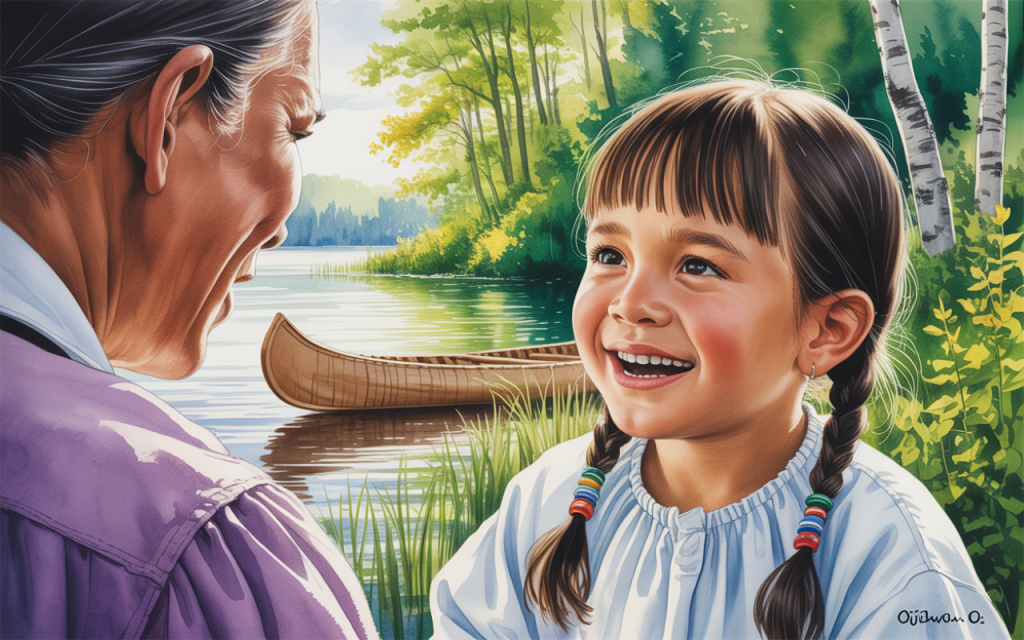
Learn Ojibwe language initiatives represent vital components of broader Indigenous cultural revitalization movements, connecting community members to ancestral knowledge while fostering cultural pride and identity.
Language learning goes far beyond acquiring communication skills—it provides access to traditional ecological knowledge, spiritual practices, historical narratives, and ways of understanding relationships between humans and the natural world.
When people engage with Ojibwe language, they gain insights into sophisticated knowledge systems developed over thousands of years of living in harmony with Great Lakes region ecosystems.
The cognitive benefits of Ojibwe language learning extend to enhanced problem-solving abilities, improved memory function, and expanded cultural competency.
Research consistently demonstrates that multilingual individuals, particularly those who learn Indigenous languages, develop greater cognitive flexibility and cultural sensitivity.
For Indigenous youth, connecting with ancestral languages contributes to improved academic performance, stronger cultural identity, and enhanced self-esteem.
These benefits ripple through communities, strengthening social cohesion and cultural continuity across generations.
Ojibwe language revitalization efforts contribute significantly to broader social justice and decolonization movements by asserting Indigenous peoples’ rights to maintain and transmit their cultural heritage.
When communities prioritize language learning, they challenge historical trauma while building foundations for cultural resilience and self-determination.
Educational institutions increasingly recognize the importance of incorporating Indigenous languages into curricula, both to serve Indigenous students and to provide all learners with broader cultural perspectives and historical understanding.
Community-based language programs demonstrate the social dimensions of Ojibwe language phrases and vocabulary acquisition, emphasizing that authentic language learning occurs through meaningful relationships and cultural participation.
Elder-youth partnerships, family learning initiatives, and community conversation groups create supportive environments where people can practice speaking without fear of making mistakes.
These programs recognize that language learning thrives when embedded within cultural activities, storytelling sessions, traditional crafts instruction, and ceremonial participation that provides natural contexts for vocabulary development and cultural transmission.
How to Use the Ojibwe Language Dictionary Effectively

Maximizing the benefits of an Ojibwe language app or dictionary requires strategic approaches that align with how Indigenous languages are traditionally learned and transmitted.
Begin by familiarizing yourself with the phonetic system used in your chosen dictionary, as Ojibwe pronunciation differs significantly from English sound patterns.
Many learners benefit from starting with basic family terms, natural world vocabulary, and everyday phrases that provide foundations for more complex conversations.
Regular listening to audio pronunciations helps develop proper accent and rhythm patterns that characterize fluent Ojibwe speech.
How to learn Ojibwe language effectively through dictionary use involves combining multiple learning strategies that engage different types of memory and cognitive processing.
Visual learners might create flashcards featuring dictionary entries alongside cultural images, while auditory learners focus on pronunciation practice and listening to example sentences.
Kinesthetic learners benefit from writing vocabulary words repeatedly and incorporating physical movements associated with certain terms.
The most successful learners combine all these approaches, creating comprehensive learning experiences that mirror traditional Indigenous education methods.
Developing consistent study routines maximizes Ojibwe language resources effectiveness while building long-term retention habits.
Many successful learners establish daily vocabulary goals, reviewing a specific number of dictionary entries while practicing pronunciation and usage examples.
Integration with cultural activities enhances learning by providing meaningful contexts for vocabulary application—cooking traditional foods while learning related terminology, participating in seasonal activities while studying associated vocabulary, or engaging with traditional stories that incorporate dictionary words in natural narrative contexts.
Ojibwe language lessons become more effective when dictionary use connects to broader cultural learning opportunities.
Seek connections between dictionary entries and local cultural events, traditional ecological practices, or community storytelling sessions.
Many dictionaries provide references to additional resources including language classes, cultural workshops, and online communities where learners can practice conversational skills.
Building relationships with fluent speakers creates opportunities for authentic practice while contributing to intergenerational knowledge transmission that strengthens entire communities.
Popular Ojibwe Language Dictionaries and Resources

The Ojibwe People’s Dictionary stands as one of the most comprehensive and culturally authentic free Ojibwe dictionary resources available online, developed through collaboration between the University of Minnesota and Ojibwe communities.
This platform features thousands of entries with audio pronunciations recorded by native speakers, detailed cultural notes, and connections to traditional knowledge systems.
The dictionary’s search functions accommodate various skill levels, allowing users to search by English terms, Ojibwe words, or phonetic approximations, making it accessible to learners regardless of their familiarity with Ojibwe spelling conventions.
Ojibwe culture and language integration characterizes several notable dictionary projects that recognize the inseparable connections between vocabulary and worldview.
The Gakina-awiiya (All Beings) Dictionary Project emphasizes ecological vocabulary and traditional environmental knowledge, while other resources focus on ceremonial language, storytelling terminology, or contemporary usage patterns.
These specialized dictionaries serve different learning goals while collectively providing comprehensive coverage of Ojibwe linguistic diversity across various dialects and regional variations.
Mobile applications have expanded access to Ojibwe language audio dictionary resources, enabling learners to practice pronunciation and vocabulary during commutes, breaks, or other convenient times throughout their daily schedules.
Popular apps incorporate gaming elements, progress tracking, and social features that connect learners with study partners and fluent speakers.
Some applications specialize in specific aspects of language learning such as pronunciation practice, conversational phrases, or vocabulary building, allowing learners to customize their study approaches based on individual needs and preferences.
Ojibwe language community resources extend beyond individual dictionary tools to include comprehensive learning ecosystems that support sustained language acquisition.
Universities, tribal colleges, and community organizations often maintain resource libraries featuring multiple dictionary formats alongside grammar guides, conversation practice materials, and cultural context resources.
Online forums and social media groups create virtual communities where learners share experiences, ask questions, and practice conversational skills with speakers at various proficiency levels, fostering supportive learning environments that mirror traditional community-based education models.
Challenges in Preserving Ojibwe Language and How Dictionaries Help

Indigenous language dictionary development faces significant challenges related to funding limitations, technology access, and the urgent need to record knowledge from aging fluent speakers.
Many communities struggle with limited resources for comprehensive documentation projects while simultaneously addressing immediate educational, health, and economic needs.
The technical complexity of creating high-quality digital dictionaries requires specialized expertise that may not be readily available within communities, creating dependencies on external partnerships that must be carefully managed to ensure community control over cultural knowledge.
Historical trauma and forced assimilation policies have created complex emotional and cultural barriers to Ojibwe language translation and learning efforts.
Some community members carry painful associations with language loss, residential school experiences, or family disruption that complicate engagement with revitalization initiatives.
Dictionaries and learning resources must navigate these sensitive dynamics while creating welcoming, culturally safe environments that honor both traditional knowledge and contemporary healing processes.
Ojibwe language preservation through dictionary development requires balancing accessibility with cultural protocols regarding sensitive or sacred knowledge.
Not all vocabulary should be freely available to general audiences, and communities must establish guidelines for what information appears in public dictionaries versus materials restricted to community members or specific cultural contexts.
This requires ongoing consultation with elders, cultural leaders, and spiritual advisors to ensure that dictionary development supports rather than undermines traditional knowledge transmission systems.
The rapid pace of technological change presents both opportunities and challenges for dictionary development and maintenance.
While new platforms offer enhanced functionality and broader reach, they also require continuous updates, technical support, and adaptation to changing user expectations and device capabilities.
Successful Ojibwe language revitalization through dictionary resources depends on sustainable funding models, community ownership of digital assets, and training programs that build local capacity for ongoing maintenance and development of language learning tools.
In Closing
The Ojibwe language dictionary represents far more than a simple translation tool—it serves as a bridge connecting past wisdom with future possibilities, enabling new generations to access the rich cultural heritage embedded within Anishinaabemowin.
As we have explored throughout this comprehensive guide, modern dictionary resources combine traditional knowledge with innovative technologies to create powerful learning environments that support both individual language acquisition and community-wide revitalization efforts.
These tools demonstrate how Indigenous communities are adapting to contemporary challenges while maintaining cultural authenticity and spiritual connections to ancestral teachings.
The evolution of Ojibwe dictionary online platforms reflects broader movements toward Indigenous self-determination and cultural sovereignty, with communities taking control of how their languages are documented, taught, and shared with the world.
From comprehensive audio recordings that preserve authentic pronunciation to cultural annotations that provide context for proper usage, these dictionaries represent collaborative achievements between elders, linguists, educators, and technology developers working together to ensure language survival and growth.
Whether you are beginning your journey with learn Ojibwe language resources or seeking to deepen existing knowledge, the dictionary tools and strategies outlined in this guide provide pathways for meaningful engagement with this beautiful Indigenous language.
Remember that successful language learning extends beyond vocabulary memorization to include cultural participation, community connections, and respectful relationships with the traditions that give words their power and significance.
As you explore these resources, consider how your learning contributes to broader preservation efforts while honoring the generations of speakers who have maintained this language through centuries of challenge and change.
The future of Ojibwe language preservation depends on continued support for dictionary development, educational initiatives, and community programs that create spaces for authentic language use and cultural transmission.
By engaging with these resources and supporting Indigenous language rights, learners become partners in vital cultural revitalization movements that strengthen communities while enriching our shared understanding of linguistic diversity and cultural resilience.
Source: The Ojibwe People’s Dictionary
Related Post: Ojibwe Language


